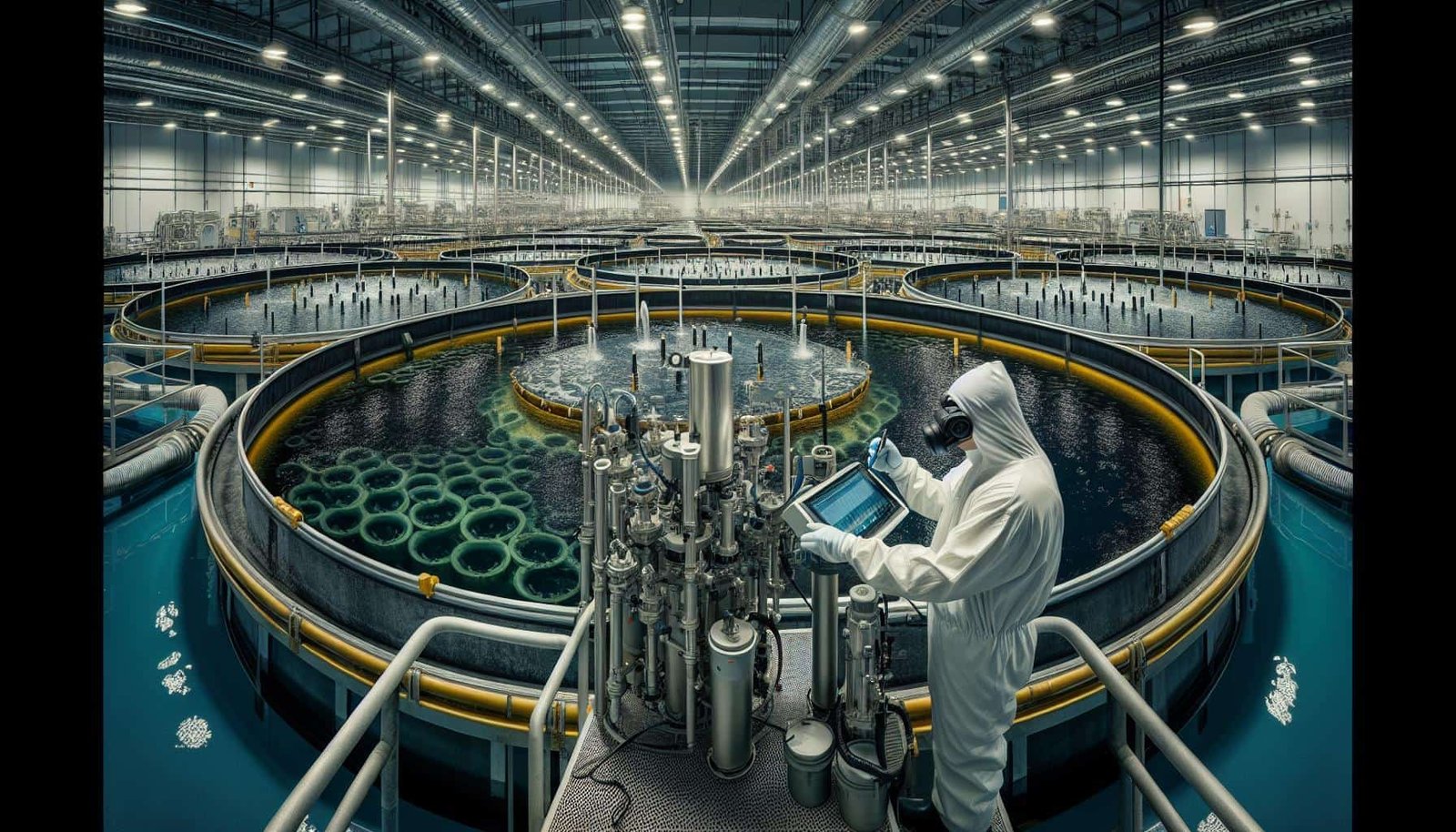
Recirculating Aquaculture Systems (RAS): Revolutionizing Hydroponics
RAS offers a sustainable and highly efficient way to integrate fish farming with hydroponic plant growth. By reusing water in a closed-loop system, RAS minimizes environmental impact while maximizing resource use.
Discover how this innovative technology is transforming hydroponic farming today!
Explore more about RAS
Key Benefits of Recirculating Aquaculture Systems (RAS)
Why Choose RAS for Hydroponics?
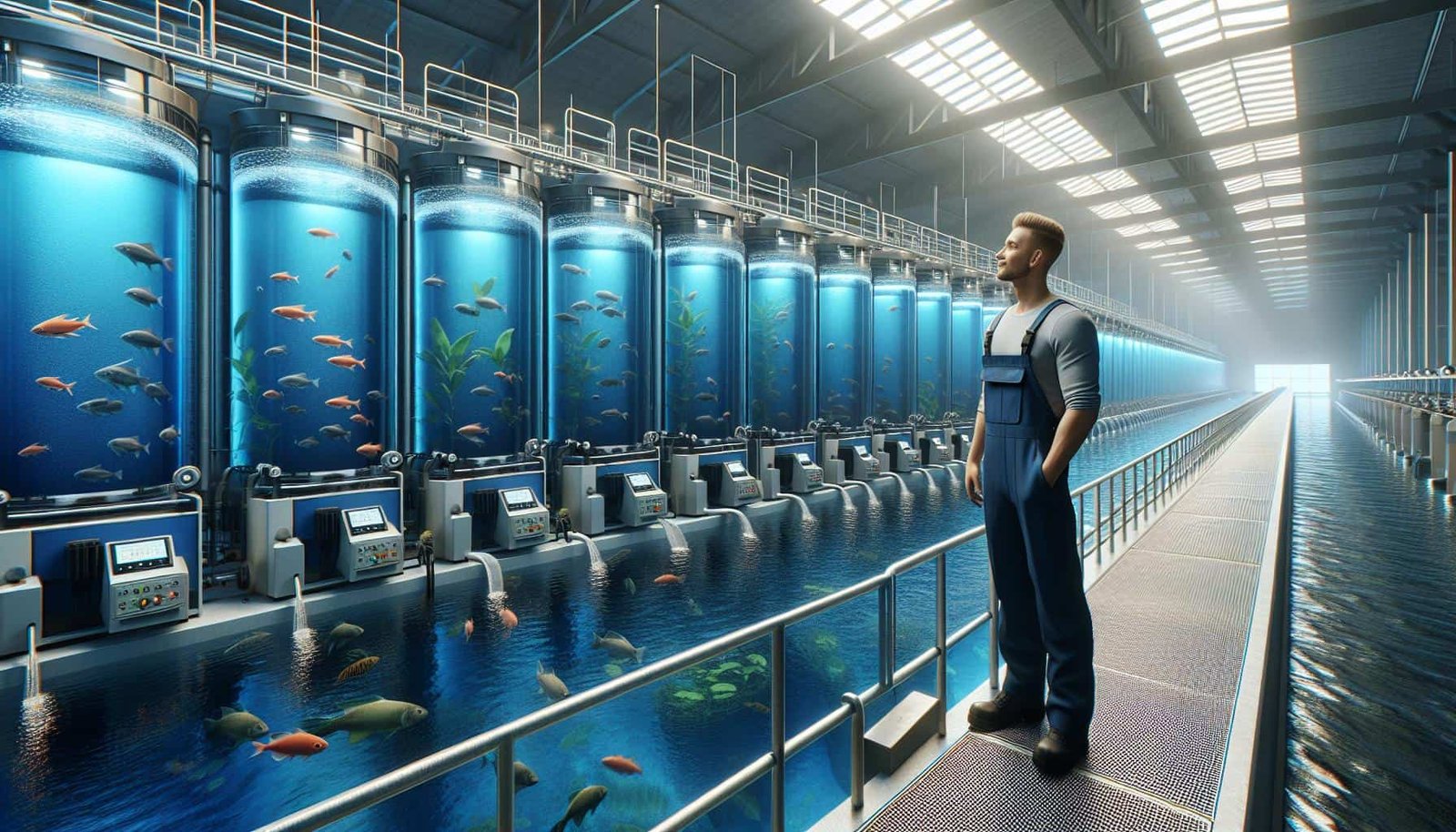
RAS is not just about raising fish—it’s about creating a complete ecosystem that supports both aquatic life and plant growth. Here are the key benefits of incorporating RAS into your hydroponic system:
- Water efficiency: RAS recycles water, reducing waste and conserving resources.
- Waste management: Fish waste becomes a natural nutrient source for plants.
- Biosecurity: A controlled environment reduces the risk of disease and environmental contamination.
- Scalability: Suitable for small setups and large commercial operations alike.
- Year-round production: Control over water quality and temperature allows for continuous operation, regardless of external conditions.
- Reduced land use: Higher stocking densities and water reuse mean less space is required compared to traditional systems.
How Recirculating Aquaculture Systems Work
Understanding RAS in Hydroponics
Recirculating Aquaculture Systems are designed to create a closed environment where water is continuously filtered and reused. Here’s how it works:
- Fish tanks: The heart of the system, where fish are grown in a controlled environment.
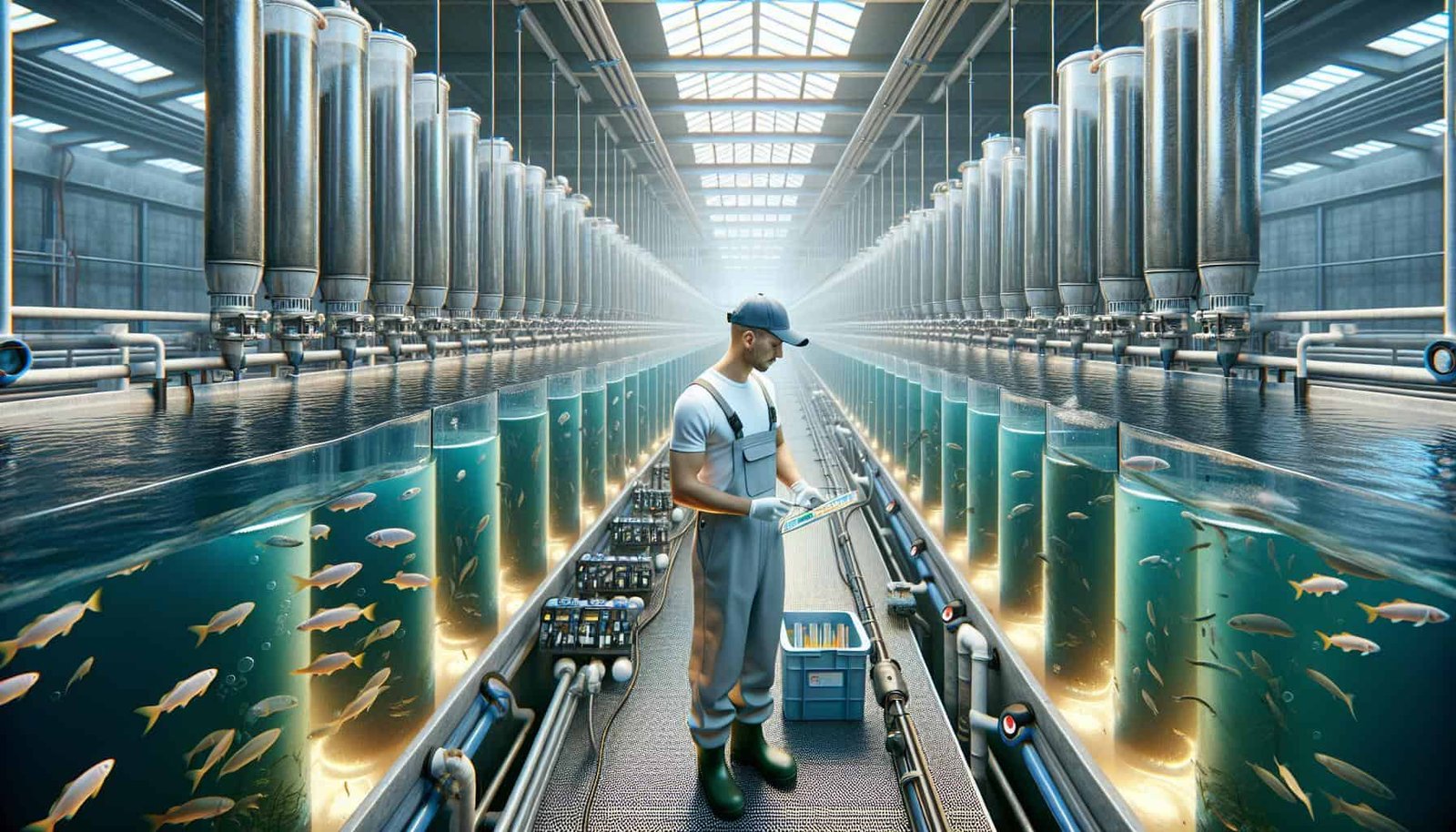
- Solids removal: Waste from the fish is filtered out mechanically to maintain water quality.
- Biofiltration: Beneficial bacteria convert harmful ammonia into nitrates, which are then absorbed by the plants.
- Oxygenation and degassing: Dissolved oxygen is added to the water, while carbon dioxide is removed to maintain healthy levels for fish growth.
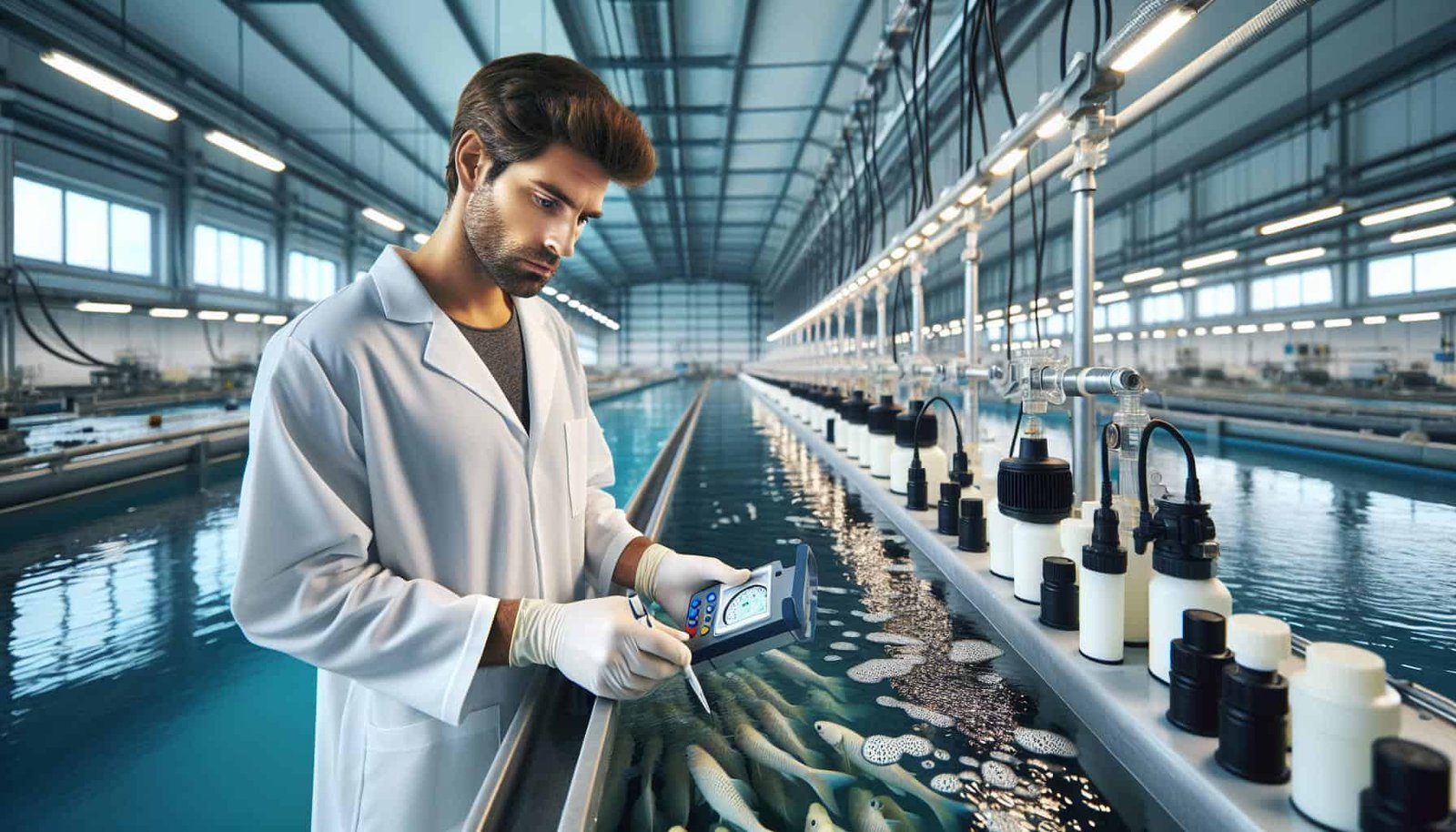
- Water monitoring: Advanced systems track water quality in real-time, ensuring optimal conditions for both fish and plants.
This integration between fish farming and hydroponic plant growth allows for the efficient use of resources, producing both fish and crops in one closed-loop system(
Related Blog Posts
Latest Insights on Recirculating Aquaculture Systems (RAS)

Boost your recirculating aquaculture systems efficiency today
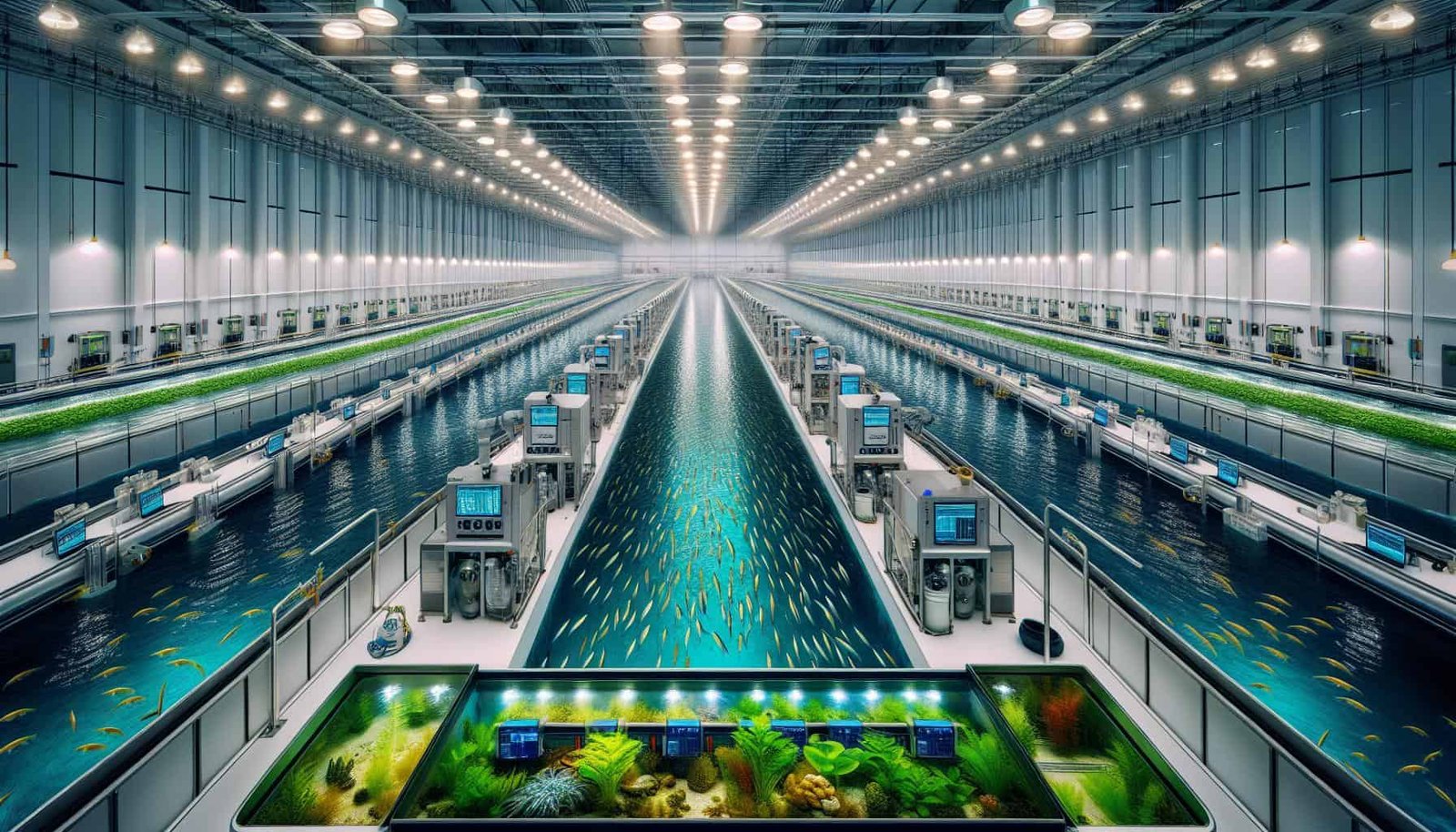
Avoid these rookie recirculating aquaculture systems errors now
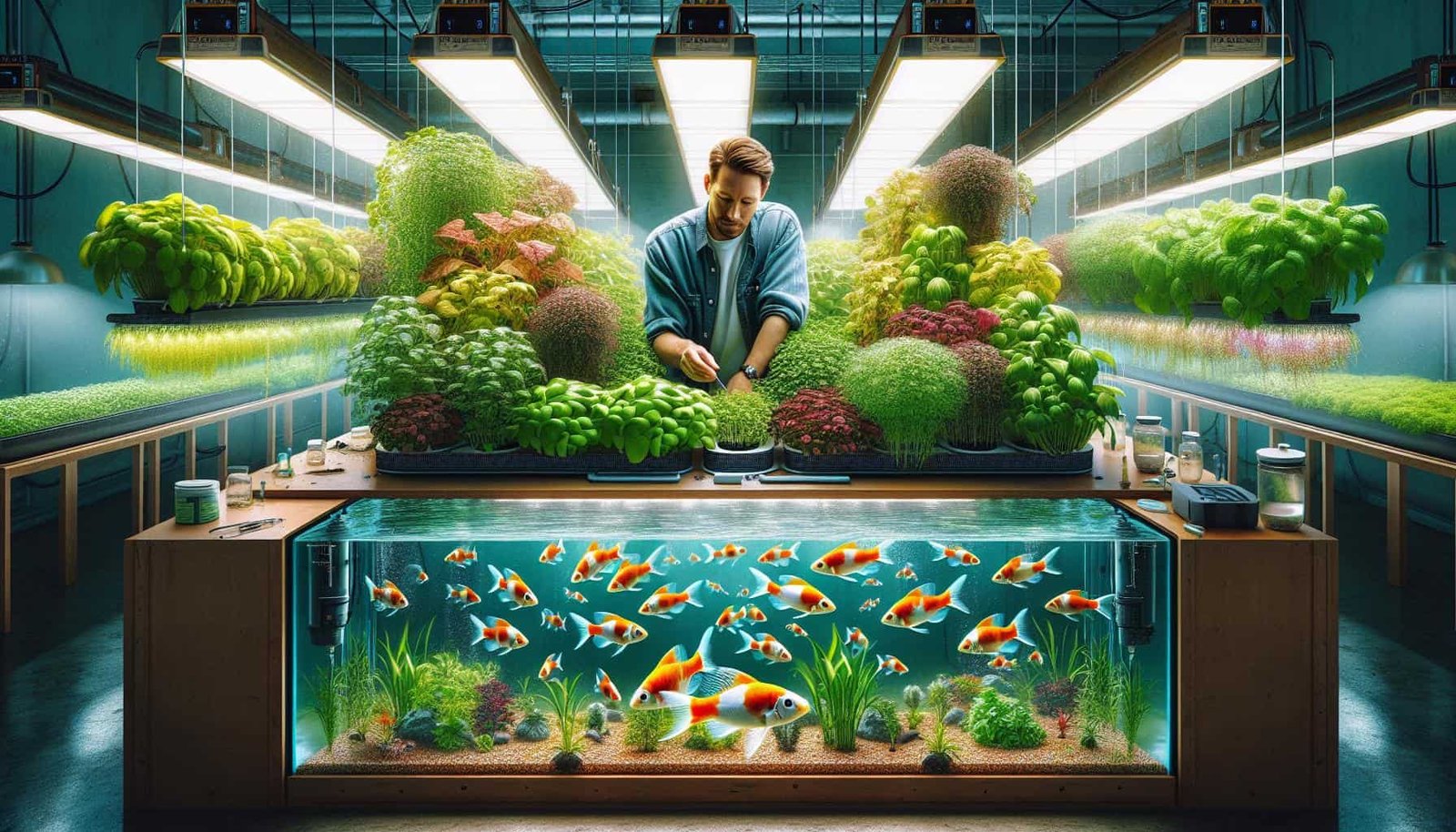
RAS and hydroponics: the perfect marriage for sustainable gardening?
6 benefits of recirculating aquaculture systems you need to know

How to set up your first recirculating aquaculture systems easily
7 common recirculating aquaculture systems mistakes to avoid
How to troubleshoot recirculating aquaculture systems issues easily