
6 Benefits of Recirculating Aquaculture Systems
You’ll discover numerous advantages when using recirculating aquaculture systems (RAS) in fish farming. Here are six key benefits:
- Sustainability
RAS promotes sustainability by minimizing water usage. Unlike traditional methods, which often waste water, RAS recycles water in a closed loop. This means you can grow fish while conserving vital resources. - Reduced waste
You’ll find that RAS systems efficiently manage waste. They filter and treat water, breaking down harmful substances. This keeps your fish healthy and decreases the chance of pollution in surrounding ecosystems. - Improved fish health
In RAS, fish enjoy healthier environments. The controlled conditions reduce stress and disease threats. Healthier fish can lead to quicker growth rates, eventually increasing your yield. - Higher production efficiency
Using RAS can boost production efficiency. You’ll create optimal conditions for fish growth, often resulting in faster harvests. This efficiency can translate into lower operational costs. - Space utilization
These systems allow you to grow fish in smaller, controlled spaces. You won’t need extensive farmland, making it easier to set up operations anywhere, from urban areas to remote locations. - Market demand
Consumers are increasingly seeking sustainable seafood options. By adopting RAS, you’ll meet this demand and attract environmentally conscious customers looking for responsibly sourced fish.
Improved Water Quality
Recirculating Aquaculture Systems (RAS) play a vital role in enhancing water quality in fish farming. With these systems, you can ensure your fish thrive in cleaner, healthier environments.
Reduced waste accumulation
Waste accumulation can be a significant concern in traditional aquaculture. But, RAS effectively minimizes this issue. The fish excrete waste that, if left unchecked, can lead to harmful toxic compounds. But in RAS, waste products are continuously removed from the water before they accumulate. Think of it like cleaning your room regularly versus waiting until it’s a mess. Regular maintenance keeps everything in check. By reducing the buildup of harmful substances, RAS promotes a healthier ecosystem for your fish. This eventually leads to better growth rates and improved fish health, which benefits you as a producer.
Enhanced filtration processes
Filtration processes in RAS are top-notch, using advanced technology to keep your fish healthy. These systems often combine mechanical and biological filtration, providing a comprehensive solution. Imagine a high-tech water purifier that not only filters out dirt but also breaks down harmful bacteria. With these filtration methods, harmful ammonia and nitrates are efficiently converted into less harmful substances. This dual-action keeps water clear and bacteria levels in check. As an aquaculture enthusiast, you can appreciate that cleaner water means healthier fish and a more sustainable operation. Better water quality equals faster growth and higher yields, which is exactly what you aim for in your farming efforts.
See also: How to set up your first recirculating aquaculture systems easily
Increased Fish Health
Exploring the world of aquaculture, especially with Recirculating Aquaculture Systems (RAS), reveals significant improvements in fish health. These advancements come from two key aspects: lower disease pressure and controlled environmental conditions. Let’s jump into how these elements work in your favor.
Lower disease pressure
Imagine a world where your fish aren’t constantly battling illnesses. That’s what RAS offers. By maintaining high water quality, the systems significantly reduce stressors that can lead to disease outbreaks. With fewer pollutants and pathogens in the water, your fish are less susceptible to infections. You observe faster recovery times and enhanced growth rates when fish can thrive without the burden of constant health risks.
Many operations focusing on hydroponics—like those you might find on Hydro4Grow—understand the importance of clean, disease-free environments. RAS mimics these principles, effectively removing toxins and waste, akin to providing a sanitized hospital for your fish. This results in healthier populations and eventually better yields, making the effort incredibly worthwhile for fish farmers.
Controlled environmental conditions
With RAS, you gain unparalleled control over your fish’s living conditions. The systems continuously filter and recirculate water, allowing you to fine-tune parameters like temperature, pH, and oxygen levels. Picture this: it’s like being a tailor, adjusting a suit to fit perfectly. Your fish will benefit from an environment that’s not only optimal for growth but also mitigates stress.
 How to troubleshoot recirculating aquaculture systems issues easily
This level of control closely resembles the precision found in hydroponic systems, where factors such as light and nutrients are meticulously managed. The viability of your aquaculture operation hinges on this responsiveness. When you control the environment, you ensure your fish flourish, giving you healthier stock and higher profits.
Higher Production Efficiency
Recirculating Aquaculture Systems (RAS) lead to significantly higher production efficiency, allowing fish farmers to maximize their output while minimizing resource use. This efficient farming method reshapes traditional aquaculture practices for the better.
Optimized space utilization
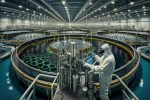
Optimized space utilization is one of the standout benefits of RAS. Instead of sprawling ponds, this system uses vertical stacking and tightly controlled environments. Think about a high-rise building versus a typical single-story house—it’s all about using vertical space wisely! This means you can raise more fish in less area, making RAS particularly appealing for urban settings where space is at a premium.
You’re not just saving space; you’re also increasing productivity. Since the fish are closer together in a controlled environment, they can thrive under consistent water quality and conditions. With fewer dead zones and better airflow, diseases spread less easily. This leads to healthier fish populations and quicker growth, enabling you to harvest more often.
 Dark side of recirculating aquaculture systems: The hidden risks
Reduced water usage
Reduced water usage is a game-changer for RAS, especially in an era of increasing water scarcity. Traditional aquaculture can drain large amounts of water, leading to waste. In contrast, RAS continuously recirculates and purifies water, using up to 90% less compared to conventional systems. Imagine a sponge soaking up water—once it’s saturated, very little escapes without being squeezed out.
In RAS, water filtration systems clean and recycle water, flushing out waste and harmful substances while retaining essential nutrients. This closed-loop system not only conserves water but also strengthens your fish stock’s growth conditions. By carefully managing water usage, you’re also helping the environment, ensuring sustainable practices in fish farming.
Sustainable Resource Management
Sustainable resource management is key to efficient fish farming through Recirculating Aquaculture Systems (RAS). These systems significantly lower the ecological impact by promoting responsible use of resources.
Lower ecological impact
Imagine running a farm without harming the environment. RAS does just that! It minimizes waste and lets you grow fish in a way that’s better for the planet. Unlike traditional methods, RAS recycles water and reduces pollution. This means less waste ends up in our oceans, protecting aquatic ecosystems. When you opt for RAS, you’re not just benefiting your fish; you’re also playing a part in safeguarding biodiversity and marine health.
See also: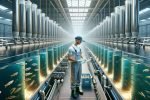 7 common recirculating aquaculture systems mistakes to avoid
For instance, fish farms using RAS can produce up to 90% less waste compared to their conventional counterparts. It’s like choosing to drive a fuel-efficient car instead of a gas guzzler. The less waste you produce, the smaller your overall footprint becomes!
Responsible water use
When it comes to water, every drop counts. RAS systems excel at responsible water use by recycling up to 99% of the water they use. This closed-loop technology cleans and reuses water, drastically reducing consumption. Picture a hydroponic garden where you catch every drop of water—it’s that efficient!
With RAS, you’re making a smart choice for sustainability. Traditional aquaculture not only wastes vast amounts of water but also harms local waterways. By contrast, RAS supports sustainable fish farming practices that conserve vital resources while ensuring optimal growth conditions for your fish.
Economic Advantages
Recirculating Aquaculture Systems (RAS) offer several key economic benefits that can revolutionize fish farming, making it more profitable and sustainable. Let’s jump into the details.
Cost-competitive production
Cost-effectiveness stands as one of the main draws of RAS. You’ll find that these systems enable fish farmers to produce more with fewer resources. Compared to traditional aquaculture, RAS can reduce water usage by up to 90%, dramatically lowering operational costs. Plus, with a continuous uniform environment, fish grow faster and reach market size sooner. That’s a win-win!
Think of it this way: if you were brewing coffee, wouldn’t you want to brew in a way that uses less water and conserves energy? RAS operates similarly, optimizing resource use while maintaining quality. This efficiency doesn’t just save you money; it also allows you to provide fresher fish to the market, meeting that ever-growing demand for sustainable seafood.
Long-term profitability
Long-term profitability is where RAS truly shines. By investing in these systems, you’re setting yourself up for success over the years. With lower operational costs and healthier fish, your profits can soar as a result of higher yields and better quality products. Healthier fish lead to fewer diseases, meaning less money spent on treatments and a product that customers trust.
Imagine planting a tree that keeps bearing fruit year after year; RAS is like that tree. While the initial setup may require a significant investment, the long-term cost savings and profits will pay off in time. Besides, as you become part of the sustainable seafood movement, your brand will resonate with consumers who prioritize eco-friendly choices. It’s not just about profit; it’s about making a difference.
Flexibility in Farm Management
Recirculating Aquaculture Systems (RAS) provide unmatched flexibility in managing fish farms. You can easily adapt your operations to meet the specific needs of different species.
Adaptability to different species
You’ll find that RAS allows for the cultivation of various fish species, from tilapia to trout. Each species has unique requirements, and RAS can be tailored to accommodate those needs. Imagine having the ability to switch from raising catfish to groupers without overhauling your setup. That’s the beauty of RAS! By adjusting parameters like water temperature and oxygen levels, you can create the ideal environment for any fish type. This adaptability doesn’t just make it easier to diversify your offerings; it also helps meet market demand faster, ensuring profitability. Think of it like a hydroponic farm that can grow different crops in the same space, perfectly catering to what’s popular today.
Scalability for growth
You can easily scale your RAS operations as your business grows. If you start with a small system and determine that you need more capacity, just expand your setup. It’s like adding more shelves in your hydroponic greenhouse to grow extra plants—you have control without the need for significant investments. RAS systems are designed to accommodate expansion seamlessly, whether you want to add more tanks or upgrade filtration systems. This scalability means that as consumer demand for sustainable seafood increases, you can ramp up production without compromising quality. It’s this straightforward scalability that allows fish farmers to thrive in a competitive market.
Embracing Recirculating Aquaculture Systems can revolutionize your fish farming practices. With benefits like improved fish health and significant water conservation, RAS not only enhances productivity but also supports sustainable practices. You can enjoy lower operational costs while meeting the rising demand for eco-friendly seafood.
The flexibility and scalability of RAS allow you to adapt your operations easily and respond to market changes. By investing in these innovative systems, you position yourself for long-term success in a competitive industry. Transitioning to RAS could be the key to thriving in the future of aquaculture.