
Overview of Recirculating Aquaculture Systems
Recirculating Aquaculture Systems, or RAS, are innovative setups designed to grow fish and plants in a controlled environment. Picture a large tank where fish are raised under optimal conditions, with water continuously filtered and reused. This method reduces waste and promotes sustainability—perfect for a growing interest in eco-friendly farming practices.
In RAS, water is the star. It’s constantly cycled through filtration systems that cleanse it of contaminants, mimicking natural water bodies while maintaining an ideal habitat for fish. But, if you’re new to aquaculture, misunderstandings about water quality management can lead to problems. For instance, not checking ammonia levels regularly can harm your fish, just like forgetting to change the oil in your car can cause engine trouble.
System design also plays a crucial role. A well-designed RAS setup is not just about aesthetics; it influences growth rates and overall fish health. Think of it as crafting the perfect recipe. If you miss key ingredients like adequate aeration or temperature control, your fish may not thrive as expected.
Many beginners might overlook these factors, thinking they can simply follow a quick guide. But remember, just like in hydroponic farming, success in aquaculture demands attention to detail and a solid understanding of environmental dynamics.
See also: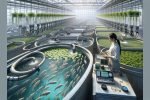 Boost your recirculating aquaculture systems efficiency today
Make sure to explore more articles on Hydro4Grow for a jump into efficient techniques and tips for successful aquaculture practices.
Common Rookie Errors
Even seasoned aquaculturists can make mistakes. As a new enthusiast, you’ll want to steer clear of common pitfalls that can hinder your success with Recirculating Aquaculture Systems. Here are some key areas to focus on.
Inadequate water quality management
Water quality is the lifeblood of your aquaculture system. Neglecting this crucial aspect can lead to significant issues, such as high ammonia levels that can stress your fish. Frequent testing ensures you know the conditions, much like checking the temperature before jumping into a pool. You should monitor pH, ammonia, nitrites, and nitrates regularly. Use reliable test kits designed for aquaculture. This isn’t just about keeping your fish alive; it’s about creating an optimized environment for growth.
Consider this: if you were in a dirty swimming pool, would you be comfortable? Your fish feel the same way. Implementing water filtration and real-time monitoring systems can make a world of difference. By staying vigilant, you not only protect your aquatic life but also enhance the efficiency of your RAS.
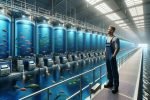 6 benefits of recirculating aquaculture systems you need to know
Poor stocking densities
Stocking density refers to the number of fish you place in your system. Too many fish can lead to overcrowding, which increases stress and competition for resources. Think of it like trying to pack too many people into a small elevator; it just won’t work smoothly. Ideal stocking densities should allow your fish plenty of room to swim, grow, and thrive.
Research the specific needs of the species you’re raising, as each has its own requirements. For example, tilapia thrives well at higher densities compared to salmon. Balance is the goal here; overcrowding can lead to poor water quality and health issues. Your fish will flourish when given the right environment, so don’t miss this critical aspect of system design.
Ignoring system maintenance
Like any machinery, Recirculating Aquaculture Systems need regular upkeep. Ignoring maintenance can lead to breakdowns and a host of problems. Regularly check components such as pumps, filters, and aerators. Just as you wouldn’t drive a car with a flat tire, you shouldn’t operate a system without ensuring everything is functioning properly.
Schedule routine inspections and clean your equipment as needed. A simple task like clearing debris from your filters can prevent costly repairs down the line. When you make maintenance a priority, you protect your investment, your fish, and eventually your success.
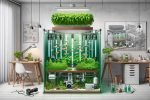 How to set up your first recirculating aquaculture systems easily
Explore more sections on Hydro4Grow for in-depth tips and techniques that can boost your hydroponic journey.
Key Features to Monitor
Monitoring key features in your Recirculating Aquaculture System (RAS) is vital to avoid rookie mistakes. Your fish rely on these elements to thrive, so keeping a close eye can make all the difference.
Water filtration and circulation
Good water filtration is like the lungs of your RAS. It removes waste and prevents harmful toxins from building up. Think of it as a protective layer for your fish, maintaining a healthy environment where they can grow. Ensure that your filtration system is functioning correctly and regularly check it. If you notice the water getting unclear or smelling strange, it’s time to troubleshoot.
Circulation is equally crucial. Inadequate flow can create dead zones where waste collects, affecting fish health. Ideally, you want a steady movement of water that carries nutrients and ensures oxygen is delivered effectively. Aim for a turnover rate of at least once per hour for optimal results. This keeps everything in harmony. Feel free to adjust the pump speed based on your system’s needs, but always monitor how changes affect the fish.
See also: How to troubleshoot recirculating aquaculture systems issues easily
Aeration systems
Aeration systems are like a gentle breeze on a summer day for your fish. They help provide the oxygen your aquatic friends need to breathe. Without enough oxygen, fish can become lethargic and stressed, leading to poor growth rates or even disease.
Consider using air stones or diffusers to enhance aeration in your tank. These systems break air into tiny bubbles, increasing surface area and maximizing oxygen transfer. It’s like giving your fish a refreshing sip of air whenever they need it. Check this regularly, especially during high-stress periods—like feeding or temperature changes. Keeping track of dissolved oxygen levels will ensure your fish are staying healthy and active.
Feed management
Feeding your fish may seem straightforward, but it’s an area where many beginners stumble. Overfeeding can lead to poor water quality as uneaten food decomposes. It’s akin to inviting friends over and then forgetting about the cleanup afterward.
Monitor your feed amounts closely. A good rule of thumb is to feed only what they can consume in a few minutes. This not only keeps the water clean but also keeps your fish happy and growing. Consider using high-quality feed that meets their nutritional needs. A balanced diet supports robust growth and reduces the risk of disease.
As you dive deeper into the world of aquaculture, you’ll find that these elements are all interconnected. By focusing on water quality, aeration, and feeding, you’ll pave the way for a successful RAS. Don’t forget to explore more on Hydro4Grow for detailed guides and expert advice tailored to elevate your hydroponic farming experience.
Performance Implications
Understanding performance implications in your recirculating aquaculture system is critical for achieving optimal outcomes. Two key factors influence this performance: the growth rates of fish and disease control and resistance.
Growth rates of fish
The growth rates of your fish can greatly impact your overall success. Fish grow best in environments where water quality is perfectly managed. Imagine your RAS as a race track; if the water conditions are ideal, your fish can zoom ahead. Poor water quality will slow them down, just as a bumpy track slows down a car. It’s essential to regularly monitor parameters like temperature and dissolved oxygen, as these directly affect growth. You’ll also want to consider stocking density. If overcrowded, fish compete for resources like oxygen and food, leading to stunted growth.
Optimize your feed management, too! For instance, feeding fish only what they can eat in a few minutes will maintain water quality and promote faster growth. By getting these details right, you can expect healthier fish with superior growth rates.
Disease control and resistance
Disease control and resistance are pivotal in maintaining the health of your fish in a RAS. Think of your system as a delicate ecosystem. When water quality dips, stress levels in fish rise, making them more susceptible to diseases. Regular testing and immediate adjustments can prevent outbreaks before they occur.
Implementing biosecurity measures can help as well. This might include quarantining new fish or using UV sterilizers to kill pathogens without harming your fish. Developing a routine vaccination program can also bolster disease resistance.
Comparison with Traditional Aquaculture Methods
Recirculating Aquaculture Systems (RAS) provide a distinct approach compared to traditional methods. They focus on sustainability and efficiency which are key factors in successful fish farming.
Efficiency and sustainability
When it comes to efficiency RAS stands out. Think of it as a closed-loop system where water is reused over and over. This method not only saves water but also allows for precise control over the environment in which your fish live. Traditional aquaculture often relies on large amounts of water drawn from natural sources which can lead to depletion and environmental harm. With RAS you can optimize conditions for fish growth. Imagine being able to manipulate water temperature and oxygen levels to perfectly suit the needs of your aquatic life.
Sustainability is another strong suit of RAS. By minimizing waste and maximizing water use you are aligning your practices with eco-friendly initiatives. This is especially crucial as more consumers are looking for sustainably sourced food. By using systems like Hydro4Grow you can promote responsible farming practices while reaping the benefits of better growth rates and healthier fish.
Cost considerations
While RAS setups may require higher initial investment costs they often lead to savings in the long run. Consider the upfront expenses for equipment such as pumps filters and aeration systems. They may seem daunting but they are essential for creating a controlled environment that reduces losses from diseases and poor water quality. In contrast traditional aquaculture systems can lead to higher costs due to disease outbreaks and water quality issues.
In the long term RAS can decrease operational costs. You save on water bills and potentially reduce feed costs because fish grow more efficiently in optimal conditions. It may also lower the need for chemical treatments that are often needed in traditional systems. For instance if you maintain good water quality with a well-managed RAS you can reduce mortality rates leading to greater profits.
Explore more sections on Hydro4Grow for detailed insights on how to carry out an RAS or understand costs associated with different aquaculture methods. Your journey towards efficient and sustainable aquaculture starts here.
Hands-on Experience with Recirculating Systems
Using recirculating aquaculture systems can be an exciting journey. But, diving in without preparation can lead to common rookie mistakes. Here’s what you need to know to maximize your experience.
Installations and setup challenges
Setting up a recirculating system is more than just assembling nuts and bolts. It’s similar to building a house; if the foundation isn’t strong, everything above can crumble. You need to consider factors like water circulation, filtration systems, and tank placement.
Newcomers often underestimate how crucial the location is. If your system isn’t well-placed to access utilities like water and electricity, you could face significant headaches. You might also encounter issues with maintaining consistent water temperature. An initial investment in a quality thermostat can save you time and money later.
You might feel overwhelmed, but don’t worry. Take it step by step. Review installation guides from sources like Hydro4Grow for expert tips. Exploring these resources can help ensure your setup goes smoothly.
Day-to-day management tips
Managing your RAS effectively is key to a thriving aquaculture business. Think of it as running a restaurant; you have to keep everything fresh and organized. Daily checks on water quality parameters are non-negotiable to keep your fish healthy.
Make it a habit to test pH levels, ammonia, and nitrates regularly. This will help you catch any issues before they grow, making it less stressful for you and your fish. It’s also wise to monitor feeding schedules. Fish eat to survive, but overfeeding can spoil your water quality. Instead, feed them small amounts several times a day, adjusting as they grow.
Remember to clean filtration systems routinely. Just like you wouldn’t want a clogged sink, a dirty filter can lead to serious problems. Implementing a simple maintenance schedule can make your daily management feel less daunting.
Take the time to explore more about managing RAS setups effectively on Hydro4Grow. It could make a significant difference in your fish farming journey.
Avoiding rookie mistakes in Recirculating Aquaculture Systems is crucial for your success in sustainable fish farming. By prioritizing water quality management and proper system design you can create an optimal environment for your fish. Regular monitoring and maintenance will not only enhance fish health but also improve your operational efficiency.
Embracing these practices will help you build a thriving aquaculture business. As you gain experience you’ll find that attention to detail pays off in both productivity and profitability. Stay informed and proactive to ensure your RAS remains a sustainable and rewarding venture.