
Overview of RAS and Hydroponics
When you think about growing food, you might imagine soil, sunshine, and maybe a few earthworms. But what if I told you there’s a better way? Enter Recirculating Aquaculture Systems (RAS) and hydroponics. Together, they create an incredible farming duo, working in harmony to maximize resources and minimize waste.
Imagine a vibrant ecosystem where fish and plants help each other thrive. In a RAS setup, fish produce waste that becomes a rich nutrient source for plants. These plants, in return, filter and purify the water, making it safe for the fish. It’s like having a natural partnership—a fish-and-plant friendship that benefits both!
Hydroponics, which excludes soil and focuses on nutrient-rich water, plays a perfect role in this relationship. You can grow a variety of plants without worrying about soil quality. RAS brings fish into the picture, adding protein to your diet—talk about a win-win situation!
What’s really exciting is that this method allows you to grow year-round, regardless of the weather outside. You can cultivate fresh herbs, leafy greens, and fish from the comfort of your home. Picture your own indoor garden thriving with every turn, thanks to the magic of hydro for grow methods.
See also: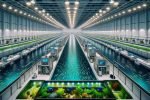 Avoid these rookie recirculating aquaculture systems errors now
Benefits of RAS and Hydroponics Integration
The combination of Recirculating Aquaculture Systems (RAS) and hydroponics isn’t just innovative; it’s downright revolutionary! By integrating these systems, you unlock a treasure trove of benefits that can transform your gardening game.
Enhanced resource efficiency
Imagine a garden where every drop of water counts. That’s the magic of RAS and hydroponics working together. Water doesn’t just flow; it recirculates. The nutrient-rich water from fish tanks nourishes your plants, while those same plants help keep the water clean for the fish. It’s like having a self-sustaining ecosystem right in your own backyard!
You can save up to 90% more water compared to traditional farming methods. This is perfect for areas where water is scarce. With RAS and hydroponics, you optimize every resource. Think of it this way: it’s not just efficient gardening; it’s smart gardening!
Increased crop yield
Do you dream of bountiful harvests? You’re in luck! Hydroponics systems often lead to faster growth rates, with plants growing 30% to 50% quicker. When you add fish and their waste into the mix, you supercharge this effect.
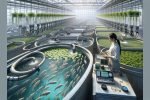 Boost your recirculating aquaculture systems efficiency today
The nutrient delivery is direct and consistent, which means your plants get everything they need without competition for soil nutrients. This can lead to abundant yields of fresh herbs and greens. Picture this: a small footprint with hefty harvests, all thanks to the teamwork between fish and plants. More food means a happier you!
Reduced environmental impact
Let’s talk about Mother Earth. With traditional soil gardening, chemicals like pesticides and herbicides are often necessary. But, RAS and hydroponics create a cleaner environment. Without soil, you decreased the chance for soil-borne diseases and pests.
Fewer chemicals mean healthier plants and safer food for you and your family. This eco-friendly garden isn’t just beneficial for your health; it contributes to a better planet, reducing your carbon footprint significantly. Embrace gardening that feels good and does good!
Ready to dive deeper into the world of hydroponics? Visit Hydro4Grow for more expert advice and guidance tailored to help you make the most of your gardening experience.
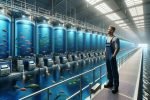 6 benefits of recirculating aquaculture systems you need to know
Features of RAS and Hydroponics Systems
Combining Recirculating Aquaculture Systems (RAS) with hydroponics creates an exciting and sustainable way to grow food. This partnership not only saves space but also makes sure both fish and plants thrive together. Let’s jump into what makes each system unique and how they work harmoniously.
Recirculating aquaculture systems (RAS)
Think of RAS as a high-tech fish tank that recycles its water. In a RAS setup, fish are raised in a controlled environment where their waste products turn into nutrients for growing plants. The water circulates through filters that clean and maintain it, keeping the fish healthy. This system can save up to 90% more water than traditional fish farming. It’s like having your own mini-ecosystem right at home!
You might wonder about space. RAS systems can fit into smaller areas compared to outdoor ponds. Plus, they can provide an ongoing source of fish, like tilapia or trout, that you can harvest whenever you like. So, not only do you get fresh fish, but you also have a built-in nutrient source for your plants. Talk about a win-win!
Hydroponic systems
Hydroponics is all about growing plants without soil, using a nutrient-rich water solution instead. Imagine a bowl of water filled with fresh greens instead of dirt. This method is perfect for indoor gardening since you can control every aspect of plant growth. With minimal mess and fuss, hydroponics allows you to grow leafy veggies like lettuce and spinach year-round.
See also: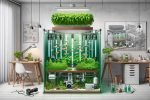 How to set up your first recirculating aquaculture systems easily
You might be surprised to learn that plants in hydroponic systems can grow 30% to 50% faster. This is because they receive nutrients directly from the water, without needing to search for them in soil. Plus, using just the right amount of light means you can cultivate plants that flourish even in darker spaces. Hydroponic systems can be tailored to any growing need, making it easier to set up your personal garden space.
Performance of RAS and Hydroponics
When it comes to the performance of RAS and hydroponics, the combination is nothing short of magical. These two systems work together perfectly, allowing you to grow food in a sustainable way while making the most of your space and resources.
Growth rates comparison
Did you know that plants grown in a hydroponics setup often grow 30% to 50% faster than those in traditional soil gardens? This speed comes from the direct access to nutrients provided by the fish waste in a RAS setup. Imagine feeding your plants with exactly what they need while they’re growing. Just like a chef has all their ingredients within arm’s reach, these plants thrive quicker and produce more. You can enjoy fresh herbs and greens year-round, making your garden a source of vibrant flavors. When you think about time savings, consider how much quicker you’ll have those salad greens ready for dinner compared to traditional methods.
Water usage efficiency
Water is essential for any type of farming, but with RAS and hydroponics, you’re looking at some serious water savings. In fact, these systems can save up to 90% more water than conventional farming. It’s like having a magic water-saving machine right in your home! The water in RAS is recirculated, meaning it’s constantly being filtered and reused. This process minimizes waste and keeps your plants healthy while conserving this precious resource. With limited water supply being a concern in many areas, this approach not only helps your plants flourish but also benefits the environment. Think of it this way: you’re turning your home into a mini-ecosystem that makes the most of every drop.
If you’re excited to learn more about how these systems can transform your gardening experience, check out more on our Hydro4Grow website! Dive deeper into tips, techniques, and advice to maximize your hydroponic adventure.
User Experience with RAS and Hydroponics
Integrating Recirculating Aquaculture Systems (RAS) with hydroponics creates an exciting new way to grow food. You get to see fish and plants working together, which is like having a mini-ecosystem right in your home. Experience the magic of watching your plants thrive while they purify the water for your fish. Let’s dive deeper into the setup, maintenance, and cost-effectiveness of this innovative system.
Setup and maintenance
Setting up a RAS and hydroponics system can seem challenging, but it’s easier than you might think. Imagine having a fish tank that doubles as a garden. You’ll need a tank for the fish, a pump for circulating water, and a growing area for your plants. So, getting started requires a bit of planning. Your nutrient solution comes from fish waste, providing all the goodies your plants need.
Maintenance, while minimal, does require some regular checks. You’ll need to monitor water quality and ensure your fish are healthy. Just like checking the oil in your car, keeping an eye on your water parameters is crucial. The beauty of this system lies in its simplicity. You can spend more time enjoying your thriving plants rather than fretting about upkeep. If you want more tips on getting started, check out our guides on Hydro4Grow.
Cost-effectiveness
When it comes to costs, combining RAS with hydroponics is a savvy investment. Sure, the initial setup might seem pricey, but think of it this way: you’re paying for sustainability. This system saves up to 90% more water compared to traditional farming. If you’re eco-conscious, this is a huge win!
Consider the savings on groceries too. With faster growth rates—plants thrive 30% to 50% quicker than in soil—you’ll harvest fresh greens and fish sooner. Imagine how delighted you’ll be when you realize that your vegetable garden can serve meals for your family much quicker than ever before. Plus, as you grow healthier food without chemicals, you’re also saving on long-term healthcare costs. Dive deeper into budgeting tips and cost management by exploring other sections on Hydro4Grow.
Comparison with Traditional Agriculture
When you think about farming, traditional soil-based methods might come to mind first. But, the world of agriculture is changing, and RAS combined with hydroponics is leading the way. Let’s jump into how this innovative marriage stacks up against conventional farming.
Advantages over soil-based methods
Imagine quickly growing your favorite vegetables without waiting for the seasons to change. That’s one of the biggest perks of RAS and hydroponics. With this method, you can grow plants faster—up to 50% quicker than in soil! The nutrient-rich water from fish waste is like a five-star meal for your plants. They absorb these nutrients directly, and it shows in their vibrant growth.
Plus, think about water usage; hydroponics can save you a whopping 90% more water. Traditional farming often leads to water wastage through evaporation and runoff. In contrast, RAS keeps water in a closed loop, just like a fish tank. It’s efficient and great for the environment. If you’re keen to make a positive impact on water conservation, this system makes it simple!
Limitations of traditional farming
Let’s explore the limits of traditional farming. Soil-based methods often depend on weather, pests, and diseases, making it a gamble. Remember all those rainy days that ruined your garden plans? With RAS and hydroponics, you can control the environment. That’s an ace up your sleeve!
Alternatives to RAS and Hydroponics
While RAS and hydroponics make a fantastic pairing, there are other cutting-edge methods for growing plants that you might find equally intriguing. Two popular alternatives are aeroponics and vertical farming. These methods have unique features that can appeal to different gardening needs.
Aeroponics
Imagine a world where plants grow in complete air with their roots gently misted by a nutrient-rich solution. That’s when aeroponics comes into play! In this system, you hang your plants in the air and let them soak up the nutrients through a mist. It’s like giving them a refreshing shower of nutrients. This enables maximum oxygen exposure, allowing for faster growth rates.
This method is space-efficient which is perfect for urban environments where every inch counts. Plus, it often uses less water than traditional gardening. You might find that you can save up to 90% more water! If you’re looking to grow delicate herbs or vibrant flowers, aeroponics might just be your new best friend. Explore more about aeroponics in the Hydro4Grow sections to dive deeper into this exciting opportunity!
Vertical farming
Picture this: a farm that grows upward instead of outward. That’s vertical farming! It involves stacking layers of plants in controlled environments. This method maximizes space, making it ideal for cities where land is limited. You could think of it like a multi-story building for plants, where each level has its own light and nutrient supply.
Vertical farming allows you to cultivate a variety of crops all year round, rain or shine. You have complete control over your growing conditions, significantly reducing the risk of pests and diseases. Wouldn’t that be exciting? As you explore Hydro4Grow, you’ll uncover how vertical farming can change the way you think about food production and gardening.
Embracing RAS and hydroponics opens up a world of possibilities for your gardening journey. You’ll not only enjoy fresh produce and fish but also become part of a sustainable movement that benefits the planet.
Imagine cultivating a thriving ecosystem right in your home where plants and fish work together in harmony. This innovative approach transforms the way you think about gardening and food production.
So why wait? Jump into the exciting area of RAS and hydroponics and watch your garden flourish like never before!