
RAS Success Stories: From Backyard to Big Business
In the world of Recirculating Aquaculture Systems (RAS), amazing transformations happen every day. Picture this: someone starts out with a simple backyard setup. They have a passion for fish farming and a dream of making it big. Fast forward a few years, and that passion has turned into a thriving business, showcasing the limitless potential of RAS.
Consider the story of John, who began his journey in a small corner of his backyard. He started with a couple of fish tanks and a desire to provide fresh seafood to his local community. With time and dedication, John innovated his systems. Before long, he was supplying local restaurants with high-quality fish. It’s a brilliant example of how a personal passion can lead to a successful enterprise.
You might be wondering how these backyard ventures scale up so quickly. The answer lies in innovation and sustainability. Entrepreneurs like John leverage advanced RAS technology that conserves water and utilizes nutrients efficiently. This not only benefits the environment but also boosts profits. Just imagine the impact when you can produce up to 10 times more fish in the same space compared to traditional farming methods!
You want to know the secrets of their success? It’s all about the mindset. The entrepreneurs who thrive in this space don’t shy away from failure. Instead, they learn from it. They adapt, improve, and keep pushing forward. With guidance and the right resources, you too can begin on this exciting journey.
See also: The shocking truth about RAS water usage you need to know
Overview of RAS
Recirculating Aquaculture Systems, or RAS, offer an innovative approach to fish farming. They recycle water within a controlled environment, allowing you to grow fish in a sustainable and efficient way. Imagine transforming your backyard into a thriving business, just like many before you.
Understanding RAS
In simple terms, RAS is like having a giant aquarium with built-in filters. It keeps the water clean while providing the perfect conditions for fish to thrive. Instead of relying on natural water sources, RAS recirculates water, saving you money and reducing waste. Think about it this way: it’s like a smart ecosystem that gives your fish everything they need while minimizing the environmental impact. This system can take many forms, from small setups designed for personal use to large-scale operations supplying local markets.
Importance of RAS in modern agriculture
Now more than ever, RAS plays a key role in modern agriculture. With the world’s population growing, we need innovative methods to produce food sustainably. RAS helps meet the demand for fresh seafood without harming our oceans and rivers. It’s a way to grow fish with fewer resources. Just picture yourself supplying high-quality fish to restaurants or selling fresh produce directly to your community—a win-win for everyone involved. Embracing RAS is not just about fish farming; it’s about creating a sustainable future for agriculture.
Notable RAS Success Stories
The world of Recirculating Aquaculture Systems (RAS) is full of inspiring stories that show just how a backyard hobby can turn into a booming business. Let’s jump into some remarkable success stories that highlight the potential of RAS in transforming lives and communities.
 Secrets to maximizing fish yield in your RAS revealed
Case study 1: Backyard to business
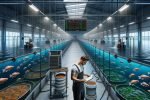
Imagine starting with just a small fish tank in your backyard. That’s exactly how John began his journey. With a passion for providing fresh seafood, John invested in a basic RAS setup. He learned everything he could about water recycling and fish health. Soon, he was able to supply local restaurants with scrumptious, high-quality fish. As his reputation grew, so did his business. John’s story proves that with dedication and the right systems in place, your small idea can become a local sensation. Wanna know the best part? He started with minimal resources. It’s all about believing in your vision and taking those first steps!
Case study 2: Innovative approaches
Innovation plays a huge role in the RAS world. Meet Sarah, an entrepreneur who merged technology with farming. She developed an automated RAS system that monitors water quality and fish growth in real time. Using advanced sensors to track everything from temperature to pH levels, her system minimizes risks and maximizes efficiency. Sarah’s farm has not only increased its output but also attracted attention from investors eager to jump into sustainable aquaculture. Her story shows how tech-savvy approaches can set you apart in this budding industry. You might just find a way to combine your interests and create an innovative solution that changes the game!
Case study 3: Community impact
The power of RAS isn’t just about profit; it can also uplift communities. Take a look at Community Aquaponics, where a group of friends banded together to build a RAS facility. They grow fish and fresh vegetables, selling produce at local markets. More importantly, they’ve engaged schools and local families, teaching them about sustainable farming practices. Their efforts have brought fresh food to areas that lack access and created educational opportunities for kids. By connecting aquaculture with community needs, they’ve generated a ripple effect of positive change. This is a shining example of how RAS can impact lives beyond just business metrics!
Key Features of Successful RAS
Successful Recirculating Aquaculture Systems (RAS) share several key features that contribute to their growth and sustainability. These innovative setups not only promote fish farming but also offer unique business opportunities.
 RAS vs traditional aquaculture: which wins for sustainability?
Sustainable practices
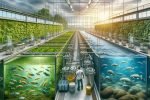
One of the standout features of successful RAS operations is their focus on sustainable practices. By recycling and filtering water, RAS minimizes waste and reduces the need for harmful chemicals. Imagine a closed-loop system where the water is kept clean and reused, ensuring fish thrive in a healthy environment. It’s like having a small ecosystem in your backyard! This approach not only conserves resources but also appeals to eco-conscious consumers who value sustainability. Also, some operators incorporate aquaponics, combining fish and plant farming. This not only enhances production but also establishes a more balanced ecological system.
Technology integration
Technology plays a crucial role in elevating RAS operations. Advanced monitoring systems allow farmers to track water quality, temperature, and fish health in real-time. Picture a smart dashboard displaying all vital parameters at a glance. It’s like having a high-tech control center for your fish farm! Integrating automated feeding systems and water filtration technologies optimizes growth conditions, leading to healthier fish and higher yields. This tech-savvy approach attracts investors and streamlines production, taking your business from a simple backyard hobby to a thriving venture. The more you harness technology, the more you can boost efficiency and cut down on manual labor.
Market strategies
Exploring the market successfully requires strategic planning. Knowing your audience is essential. Are you targeting local restaurants or health-conscious consumers who want fresh seafood? Establishing strong relationships with customers helps build loyalty and repeat business. Also, branding your fish as sustainably sourced can be a game-changer. Catchy slogans and eye-catching packaging make your product stand out. Connecting with your community by participating in farmers’ markets or local events showcases your commitment to sustainability and build trust. It’s all about creating an emotional connection with your customers.
Performance Analysis
In the world of Recirculating Aquaculture Systems (RAS), performance means growth, innovation, and overcoming challenges. Entrepreneurs are not just growing fish; they’re creating a sustainable future while reshaping local markets.
See also: Why RAS is the future of sustainable seafood for our planet
Growth metrics
When you look at growth metrics, what stands out is the ability of RAS to produce high yields in small spaces. For instance, John from the previous story transformed his small backyard setup into a thriving business, increasing his fish yield by over 500% within two years. Such impressive figures reflect the efficiency of RAS, which recycles water and uses advanced technology. The ability to optimize resources ensures that you can grow more with less. The market is buzzing as demand for sustainable seafood increases, with RAS operations often reporting a return on investment (ROI) within just a few years. This is not just luck; it’s a well-planned strategy focused on high-quality output and eco-friendly practices. One thing is clear: these metrics show that RAS isn’t just a fad—it’s the future.
Comparison to Traditional Farming
When you look at the world of agriculture, RAS stands out like a shining beacon of innovation. It reshapes how we think about farming, especially in comparison to traditional methods. Let’s jump into what makes RAS so unique.
Advantages of RAS
First off, RAS offers incredible efficiency. Imagine growing fish in a contained environment where every drop of water is recycled. That’s right; no more wasting precious water! This eco-friendly approach reduces the strain on natural resources while providing a consistent and controlled habitat for fish. Unlike traditional farming that relies heavily on the weather, RAS keeps the conditions just right, day or night.
Also, RAS decreases the reliance on antibiotics and chemicals found in conventional fish farming. With high-tech monitoring systems that keep track of water quality and fish health, you can promote sustainable growth without harmful additives. It’s like having a smart assistant to help you maintain the best environment for your fish.
What’s more? The potential for profitability is thrilling! With lower overhead and improved yield rates, entrepreneurs like John have turned backyard setups into fully-fledged businesses. It’s not just about harvesting fish; it’s about growing a thriving ecosystem that benefits you and the planet.
Limitations of RAS
While the advantages seem fantastic, there are a few trade-offs to consider. Installing RAS facilities can come with a hefty price tag. The initial investment may feel daunting. But, think of it as planting a seed for future growth—yes, it requires resources upfront, but the returns can be astonishing!
Another hurdle is the need for constant monitoring and maintenance. RAS systems rely on technology that requires your attention. Just like in the world of hydroponics, you have to be proactive. If equipment fails or water quality declines, it can jeopardize your fish health. But don’t let this scare you. With the right strategies and knowledge, you can manage these challenges effectively!
The journey from backyard hobbyist to successful entrepreneur in the RAS world is nothing short of exhilarating. You’ve seen how passion and innovation can transform dreams into reality. Each success story is a testament to the potential that lies within you.
Embracing sustainability while leveraging cutting-edge technology opens doors to a thriving business. Whether you’re inspired by John’s impressive growth or Sarah’s automated systems, there’s a path for you to follow.
So why wait? Jump into the world of RAS and explore the endless possibilities. With determination and a willingness to learn, you can create not just a business but a positive impact on your community and the environment. Your success story is waiting to be written!