
Overview of Aquaculture Systems
Aquaculture systems have transformed the way we produce fish and seafood. They can be broadly categorized into two main types: traditional aquaculture and Recirculating Aquaculture Systems (RAS). Both methods have unique characteristics that serve different needs.
Traditional aquaculture has been around for centuries. It often involves farming fish in ponds or cages in natural bodies of water. Think of it like raising livestock on a farm but with fish in a watery environment. This method is relatively straightforward and typically has lower initial setup costs. But, it can be impacted by environmental conditions like water quality and temperature fluctuations. These factors may limit fish growth and increase vulnerability to diseases.
On the flip side, RAS offers a more controlled environment. Imagine a fish farm in a closed-loop system where you can monitor and optimize every aspect. RAS recycles water, filtering and purifying it for reuse. This leads to higher stocking densities and reduced water usage. Even better, RAS systems can be set up anywhere—even in urban areas. But, these systems often have higher initial costs and require more technical knowledge to operate effectively.
In comparing these two systems, it becomes clear that they each have strengths and weaknesses. Traditional aquaculture is well-established and cost-effective, while RAS stands out for efficiency and environmental benefits. Understanding these differences allows you to make informed decisions about which system aligns best with your goals in seafood production.
See also: Why RAS is the future of sustainable seafood for our planet
RAS (Recirculating Aquaculture System)
Recirculating Aquaculture Systems, or RAS, represent a cutting-edge approach to fish farming that’s gaining traction in the aquaculture industry. These systems recycle water, providing an efficient method for raising fish in a controlled environment. But how does it work? Let’s jump into the details.
Definition and concept
At its core, RAS is a method of cultivating aquatic organisms by reusing water in a closed-loop system. Imagine a closed aquarium where the water is continually filtered and cleaned, creating a stable environment for fish to thrive. This technology minimizes water usage and reduces environmental impact, making RAS a sustainable choice for modern aquaculture. Plus, it allows for farming in areas where traditional methods might not be feasible, such as urban centers.
Key features of RAS
One of the standout features of RAS is its filtration system. It typically includes mechanical, biological, and chemical filtration processes, which ensure that harmful substances are removed while beneficial bacteria flourish. This keeps the water clean and suitable for fish. Also, RAS systems often incorporate oxygenation techniques that maintain optimal oxygen levels, enhancing fish growth. You can find different sizes and scales of RAS setups, which allows for flexibility whether you’re a hobbyist or a larger producer. The system is designed for efficiency, using advanced technology to monitor parameters like temperature and pH, creating a stable environment for fish.
Advantages of RAS
The benefits of RAS are significant. First, it uses up to 90% less water compared to traditional aquaculture. That’s crucial as water scarcity becomes a growing concern. Second, since RAS operates in controlled conditions, it reduces the risk of disease and lowers the need for antibiotics, making fish healthier and safer for consumption. Also, RAS can lead to higher growth rates. Fish get the nutrients they need in a stable environment without the fluctuations found in open water systems. For urban farmers looking to carry out sustainable aquaculture, RAS draws them in with its promise of efficiency and adaptability.
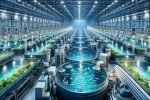 The essential equipment for a thriving RAS revealed
If you’re curious to learn more about the intricacies of aquaponics and hydroponics, check out our other sections for expert insights and advice to elevate your farming journey.
Traditional Aquaculture
Traditional aquaculture refers to the long-established practices of farming fish and other aquatic organisms in controlled environments such as ponds, lakes, or coastal areas. This method has been used for centuries, adapting to local ecosystems and based largely on natural processes. While it may seem straightforward, there are complexities behind the scenes that impact how effective and sustainable these systems can be.
Definition and concept
In traditional aquaculture, fish and shellfish are grown in large, open bodies of water or enclosed ponds. The approach relies heavily on natural feeds like phytoplankton and zooplankton, with farmers often supplementing these feeds to boost growth. Think of it like a farmer raising crops in a field. Just as crops rely on soil and natural nutrients, aquatic animals depend on water whose quality and integrity can be influenced by the local environment. While the goal is to produce healthy fish for consumption, the delicate balance between fish health and environmental factors can sometimes pose challenges.
Key features of traditional aquaculture
One significant feature of traditional aquaculture is its reliance on natural light and water movements. This method uses a “low-tech” approach that might include simple nets, fish feed, and aeration systems. Farmers monitor water quality based on seasonal changes. Sometimes, they may need to manage invasive species or reduce pollution levels to maintain a healthy ecosystem. Imagine growing vegetables in a backyard garden where you regularly check the soil and remove weeds to ensure healthy plants. Similarly, traditional aquaculture requires ongoing attention to environmental conditions.
 RAS and hydroponics: the perfect marriage for sustainable gardening?
Advantages of traditional aquaculture
The advantages of traditional aquaculture are notable. One major upside is the lower initial investment compared to systems like RAS. You won’t have to purchase expensive equipment, making it accessible for small-scale farmers. Also, many traditional aquaculture systems can be operated with minimal management.
Also, these farms often support local economies and provide food security in communities. Since traditional aquaculture methods foster biodiversity, they contribute positively to local ecosystems—like a well-kept garden bustling with wildlife. You can see that balancing these factors enables traditional aquaculture to produce fish sustainably.
Environmental Impact
When it comes to environmental impact, RAS and traditional aquaculture present different benefits and challenges. You can see how these two systems affect our ecosystems and resources.
RAS environmental benefits
RAS, or Recirculating Aquaculture Systems, offer impressive environmental advantages. By recycling water in a closed-loop system, RAS uses up to 90% less water than traditional methods. This is important because water scarcity is a growing concern in many regions. With RAS, water is constantly filtered and reused, reducing waste and pollution in surrounding water bodies.
See also: Avoid these rookie recirculating aquaculture systems errors now
Besides, the controlled environment in RAS allows for optimal fish growth with fewer disease issues. This means there is a reduced need for antibiotics, which is better for your health and the environment. Plus, RAS can be set up closer to urban areas. This helps minimize transportation emissions since fish can be grown right where the demand is highest. As you look into efficient aquaculture practices, RAS stands out as a sustainable choice for the future.
Traditional aquaculture environmental concerns
Traditional aquaculture, while established and accessible, comes with its own set of environmental challenges. It often relies on open-water systems like coastal ponds or ocean pens. These setups can lead to overfishing, habitat destruction, and water pollution if not managed carefully.
Besides, traditional methods are vulnerable to environmental changes. For example, fluctuations in water temperature and quality can impact fish health and growth. Diseases can spread quickly in crowded conditions, sometimes leading to antibiotic overuse. This not only affects the fish but also poses risks to local ecosystems. As you consider your options in aquaculture, it’s essential to weigh the environmental trade-offs of traditional methods carefully.
Cost Analysis
Understanding the costs associated with Recirculating Aquaculture Systems (RAS) and traditional aquaculture is vital for making informed decisions. Both methods offer distinct financial advantages and challenges that impact their overall feasibility.
Initial investment comparison
When looking at initial investments RAS typically requires a higher startup cost than traditional aquaculture. You’ll need to budget for sophisticated equipment like filtration systems oxygenators and tanks designed to help a closed-loop environment. For instance the installation of a robust RAS system can range from $100,000 to several million dollars. In contrast traditional aquaculture may only cost a few thousand dollars to set up. Small-scale farms can operate effectively with basic pond systems making it more accessible for newcomers.
Regardless of the higher cost RAS offers long-term benefits like increased fish yield and reduced risk of disease. This means that while your upfront expenses may be greater you could potentially recoup those costs faster with a successful RAS operation. As you weigh options think of your investment as planting a seed — initial care may be intensive but the long-term harvest can be substantial.
Operational costs
Operational costs can vary significantly between RAS and traditional aquaculture. RAS systems are known for their efficiency but they also incur ongoing costs for electricity water treatment and maintenance. For example energy costs can account for up to 30% of operational expenses in RAS. But these systems use up to 90% less water than traditional methods which can be a substantial saving over time.
On the other hand traditional aquaculture often relies on natural resources like water and feed from the environment which might seem cheaper at first but can lead to unforeseen costs related to disease outbreaks or poor environmental conditions. Think of it like maintaining a garden—natural elements can be unpredictable and managing these risks takes effort and resources.
Performance Comparison
When comparing RAS and traditional aquaculture, performance factors such as growth rates, fish health, and resource efficiency come to the forefront. Both methods have unique features that impact their effectiveness in producing fish. Let’s jump into the critical aspects.
Growth rates and fish health
In RAS, the controlled environment means fish can grow faster and overall health is often superior. You can think of it like being in a perfect climate; the temperature and water quality remain optimal. Fish raised in RAS systems can grow up to 30% faster than those in traditional aquaculture. This accelerated growth is complemented by lower stress levels, which often leads to healthier fish and lower mortality rates.
On the flip side, traditional aquaculture relies on environmental conditions that can vary. Changes in weather conditions, water quality, or even food availability can affect growth rates and health. When conditions are ideal, fish can thrive. But, fish can struggle during adverse conditions, leading to higher disease susceptibility. For example, fluctuations in water temperature can create stressful situations for fish, resulting in health issues.
Resource efficiency
Resource efficiency is where RAS truly shines, using up to 90% less water than traditional methods. Picture a garden where every drop of water counts. In RAS, water is recycled and filtered, making it much more sustainable. This efficiency not only conserves water but also reduces waste, allowing for cleaner operations.
In contrast, traditional aquaculture often requires large amounts of water, especially in open systems. This method can lead to overfishing and habitat degradation. Think about how reducing water usage could alleviate these issues. Traditional methods can seem simpler, yet their environmental impact can be significant.
Both systems have their strengths and weaknesses, and understanding these comparisons helps you choose the best method for your goals. Interested in learning more about sustainable farming practices? Explore our site for expert insights on hydroponic techniques and more.
User Experience
When exploring aquaculture, your experience can vary widely depending on whether you choose Recirculating Aquaculture Systems (RAS) or traditional methods. Each system has its unique features that can influence how you manage your fish farming.
Accessibility and complexity
Starting with accessibility both RAS and traditional aquaculture have their pros and cons. Traditional methods might seem more straightforward. You can set up a pond in your backyard with minimal investment. This setup is often likened to planting a garden—simple and low-maintenance. But, RAS, while requiring a higher initial investment and more complex technology, allows you to farm fish in smaller spaces and is perfect for urban settings.
Picture this: with RAS, you can create a mini aquatic ecosystem in a warehouse. This complexity can initially feel overwhelming but the benefits of increased fish growth rates—up to 30% faster than traditional methods—make it worthwhile. Plus, you’re using less water and reducing waste. In that sense, even though RAS systems seem intricate, they are accessible to anyone committed to learning the ropes.
Adoption in different regions
The adoption of RAS versus traditional aquaculture often depends on your region. In urban areas where space is at a premium, RAS can be a game-changer. Cities across the U.S. are increasingly utilizing these systems to grow fish sustainably right within their limits. Meanwhile in rural settings traditional aquaculture thrives in natural bodies of water rich in resources.
Climate is another factor. Regions with stable, warm water conditions are more suited for traditional methods. On the flip side, RAS allows for consistent environments regardless of external weather, providing an edge. So if you’re in a place where seasons can be harsh, this could sway your choice.
Exploring these various aspects will give you a clearer understanding of what fits your needs better. Dive further into the sections on Hydro for Grow for more insights on optimizing your aquaculture ventures.
Comparison of Sustainability
When considering sustainability in aquaculture, Recirculating Aquaculture Systems (RAS) and traditional aquaculture present unique scenarios. RAS stands out for its efficiency. Imagine a system that uses up to 90% less water compared to traditional methods. This closed-loop process minimizes water waste, which is crucial as water resources become scarcer. Besides, RAS effectively reduces pollution through advanced filtration systems. This means that not only do you save on water, but you also lessen the environmental impact, making RAS a compelling option for eco-conscious producers.
On the other hand, traditional aquaculture has its own merits. It utilizes the natural environment, which can be beneficial for local ecosystems. But, it’s important to note that traditional methods face significant challenges. Open-water systems often struggle with overfishing and habitat destruction. Environmental changes can cause disease outbreaks, impacting fish health and productivity.
You might wonder which method is best for you. Consider this: RAS offers a high degree of control over fish health and growth rates, leading to a sustainable production cycle. Think of it like having a greenhouse for fish. You can maintain optimal conditions year-round. Traditional aquaculture, while less capital-intensive and accessible, may require more management to navigate environmental risks.
Eventually, the choice depends on your specific needs and resources. If you are looking to maximize efficiency and minimize environmental impact, RAS is the way to go. But, if you prefer a more traditional approach that leverages natural resources, traditional aquaculture might be your best bet. Explore the various sections of Hydro4Grow for more insights into sustainability practices in hydroponic farming and aquaculture.
Choosing between RAS and traditional aquaculture hinges on your specific goals and resources. RAS stands out for its efficiency and environmental benefits, making it ideal for urban settings and those seeking sustainable practices. On the other hand, traditional aquaculture offers accessibility and lower initial costs, appealing to small-scale farmers and local economies.
As you weigh your options, consider factors like investment capacity, management complexity, and regional conditions. Both systems have their merits and challenges, and understanding these nuances will help you make an well-informed choice that aligns with your vision for aquaculture.