
Secrets to Maximizing Fish Yield in Your RAS
You want to boost your fish yield? Start by ensuring optimal water quality. Regularly test parameters like pH, ammonia, nitrite, and nitrate levels. Maintaining these within the ideal ranges keeps your fish healthy. Healthy fish grow faster, leading to better yields.
You also should pay attention to species selection. Some fish thrive better in RAS than others. Species like tilapia and catfish are popular choices. They adapt well to varying conditions and grow efficiently in recirculating environments.
Feeding practices matter too. Use high-quality, nutrient-rich feed tailored to the species you’re raising. Monitor the feeding rate to avoid overfeeding or underfeeding, which can negatively impact growth rates. Remember, more efficient feeding equals better yields.
Don’t underestimate the importance of good management systems. Keeping your system clean reduces disease risk. Regularly flush your biofilters and clean tanks to promote a healthy environment. A clean system supports healthy, fast-growing fish, eventually leading to higher production.
See also: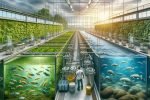 RAS vs traditional aquaculture: which wins for sustainability?
Finally, explore new technologies. Innovative systems and methods in hydroponic farming, like those found at Hydro4Grow, can provide insights for optimizing your RAS setup. Stay informed about the latest trends to keep your practices up-to-date.
Curious for more? Dive deeper into our resources for the best hydroponic tips and tricks tailored for your success.
Understanding RAS Systems
Recirculating Aquaculture Systems (RAS) are engineered to create an optimal environment for fish farming. They rely on a closed-loop system that continuously filters and reuses water, making them efficient and sustainable.
Components of RAS
Key components of RAS include tanks, filtration systems, oxygenation devices, and a pumping setup. Tanks serve as living quarters for fish, providing ample space and ensuring proper water flow. Filtration systems, like mechanical and biological filters, help remove waste while maintaining water quality. Oxygenation devices pump in oxygen, crucial for fish health and growth. Finally, pumps circulate water throughout the system, ensuring consistent conditions for your aquatic life. Imagine your RAS as a mini-ecosystem, where each part plays a vital role, much like the gears in a well-functioning machine. Keeping all components well-maintained allows you to maximize fish yield efficiently.
 Why RAS is the future of sustainable seafood for our planet
How RAS works
RAS operates by mimicking natural aquatic environments while taking control over water quality. First, fish excrete waste into the water, which contains ammonia—harmful at high levels. The system pumps this water through biofilters, where beneficial bacteria convert ammonia into less harmful nitrates. Next, water is aerated, supplying oxygen, essential for fish respiration. This cycle continues, ensuring that water quality remains optimal, promoting faster and healthier fish growth. Think of it like a rollercoaster—once it starts, the ride keeps going smoothly as long as all components work in harmony. By mastering these principles, you can significantly improve your fish farming operation.
Managing Water Quality
Effective water management is essential for maximizing fish yield in Recirculating Aquaculture Systems (RAS). Proper water quality not only supports healthy fish growth but also enhances overall system efficiency.
Maintaining pH levels
It’s crucial to keep pH levels within the optimal range of 6.5 to 8.5 for most fish species. This range is like a sweet spot; it’s where your fish feel most at home. You can use testing kits to monitor pH regularly. If it’s too low, adding crushed limestone can help raise it. Conversely, if it’s too high, consider using organic acids for adjustment.
You might think of pH like the temperature of your shower: too hot or too cold doesn’t feel good at all! Consistent pH levels reduce stress for your fish, boosting their growth rates. Lower stress means less disease, which is a win-win situation for you and your fish.
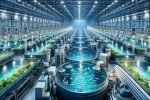 The essential equipment for a thriving RAS revealed
Monitoring ammonia and nitrite levels
Ammonia and nitrite levels are toxic to fish in high concentrations, so regular monitoring is a must. Ideally, ammonia levels should be near zero, while nitrite levels should also stay at zero. Ammonia buildup can stem from uneaten food or waste.
To combat this, introduce beneficial bacteria into your system. These tiny helpers convert ammonia into less harmful nitrates, just like how a good composting system breaks down food waste. Think of them as nature’s recyclers! Regular water changes and well-maintained biofilters also play a significant role in controlling these levels.
Optimizing Feeding Practices
Maximizing fish yield in your RAS starts with effective feeding practices. Proper feed management can significantly boost growth rates and overall health, making it essential for your success.
Choosing the right feed
Selecting the right feed is like choosing the best fuel for a car. High-quality, nutrient-rich feed helps your fish thrive. Look for feeds containing a balanced mix of proteins, fats, vitamins, and minerals tailored to the specific species you’re farming, such as tilapia or catfish. Ingredients like fish meal, shrimp meal, and spirulina can enhance nutritional value and encourage faster growth. Always consider the digestibility of the feed too; if fish can absorb nutrients effectively, they grow better. Try to avoid low-quality feeds filled with fillers, as they may lead to poorer health and wasted resources. Remember, investing in good feed is investing in your fish’s future.
See also: RAS and hydroponics: the perfect marriage for sustainable gardening?
Establishing a feeding schedule
Creating a consistent feeding schedule can dramatically impact your fish yield. Think of it like routine meals for you; regular feeding builds comfort and promotes growth. Start by establishing a schedule based on fish age and size. Generally, younger fish need to be fed more frequently than larger ones, often three to six times a day. Monitor your fish’ behavior; if they seem eager and actively swim to the surface at feeding times, you’re on the right track. Always aim to feed what your fish can consume in around 5-10 minutes to avoid overfeeding, which can pollute the water and harm their health. Don’t hesitate to adjust the schedule if you notice changes in fish behavior; flexibility is key to optimal growth.
Want to investigate deeper? Explore the various sections of Hydro4Grow for more insights into optimizing your hydroponic practices.
Enhancing Fish Health
Enhancing fish health is crucial for maximizing your yield in a Recirculating Aquaculture System (RAS). Let’s jump into some essential practices that will keep your fish thriving.
Regular health check-ups
Regular health check-ups are key to preventing issues before they escalate. Just like you wouldn’t skip routine doctor visits, your fish need attention too. Monitoring fish for signs of stress or disease can make a world of difference. Check their behavior, colors, and physical condition routinely.
For example, notice any unusual swimming patterns or fin diseases, which could indicate water quality problems. Keeping a log of health observations helps track trends over time, letting you spot potential issues before they become serious threats. Testing for common parasites and diseases regularly puts you a step ahead. You can even consider using a specialized fish veterinarian for a second opinion if needed.
These small but essential actions can lead to healthier fish, reduced mortality rates, and eventually increased production in your RAS. Invest time in regular health check-ups and watch your fish thrive like never before.
Implementing biosecurity measures
Implementing biosecurity measures is vital for protecting your fish from diseases. Think of it as building a protective bubble around your system. This strategy keeps your stock safe from outside threats like contaminants and pathogens.
Start with simple guidelines. Always sanitize your equipment and tools before using them in your RAS. This step alone can prevent the introduction of harmful agents into your system. Managing access to your fish area is another important measure. Limiting traffic and ensuring proper hygiene among visitors reduces the risk of disease spread.
Also, consider quarantining new fish before introducing them to your main tank. This practice helps ensure they don’t carry diseases that could affect your established population. Implementing these biosecurity practices creates a healthier environment for your fish.
So, don’t wait! Explore more about biosecurity on Hydro4Grow to safeguard your RAS fish.
Implementing Proper Stocking Density
Optimal stocking density is crucial in a Recirculating Aquaculture System (RAS) to ensure healthy fish and maximize yield. It’s about finding the right balance; overcrowding can lead to stress, diseases, and poor growth.
Calculating ideal stocking rates
Calculating the right stocking rate involves understanding the size of your fish and the volume of your system. As a rule of thumb, a common metric is to stock approximately 1 pound of fish per 1-2 gallons of water for smaller fish like tilapia. This means you’ll need to consider factors like fish size and species paralleled with tank capacity to ensure adequate space.
To make it simple, think of stocking rates like seating arrangements at a dinner table. If you cram too many guests into a small space, everyone ends up uncomfortable. Similarly, proper spacing allows fish to swim freely and access food without unnecessary competition. You can adjust these rates based on growth and overall health as well.
Adjusting for growth stages
Adjusting stocking density based on growth stages is essential. Young fish, or fry, need more space to thrive, as they’re still developing their swimming capabilities. Initially, allow at least 0.5-1 gallon of water per fry. As they grow, you can gradually increase the density to about 1 pound per 1-2 gallons.
Imagine how a classroom changes with different age groups. Younger students may require more space and support, while older students can work in tighter settings without issue. Regularly monitoring fish growth and adjusting accordingly ensures a healthy environment, leading to faster growth rates and higher yields.
For more insights into maximizing your RAS setup and how Hydro4Grow can help, jump into our various sections for expert advice and innovative solutions tailored to your hydroponic needs.
Utilizing Technology in RAS
To maximize fish yield in your RAS, leveraging technology is essential. Today’s tech advancements can help you manage your system more efficiently than ever.
Employing monitoring systems
You can’t manage what you don’t measure. That’s where monitoring systems come into play. These systems track key parameters like pH, ammonia, and oxygen levels automatically. Imagine having a personal assistant who alerts you when something’s off. You’d never ignore it, right? With reliable monitoring, you can maintain optimal water conditions, which leads to healthier fish and better yields.
For instance, sensors that connect to your smartphone or computer let you check conditions remotely, ensuring that you’re always in the loop. Regular updates will help you catch issues before they escalate, just like spotting a cloudy sky before the storm rolls in. Utilizing these technologies will save you time and reduce stress on your fish.
Automating feeding processes
You might think feeding fish is straightforward, but inconsistency can harm growth. Automating feeding processes makes it easier to provide the right amount of food at the right times. By using programmable feeders, you can set schedules that adjust based on your fish’s age and size.
Picture this: instead of worrying about whether the fish have eaten, you can enjoy your morning coffee while the feeder does the work for you. Automated feeders ensure that your fish receive the proper nutrition without the risks of overfeeding. Many systems even have built-in portion controls, preventing waste and keeping your water clean.
Investing in automation doesn’t just streamline your processes—it enhances your overall operation. Explore different options available on Hydro4Grow to find the right technology for your RAS needs.
Implementing Sustainable Practices
Sustainable practices are essential for maximizing fish yield in your Recirculating Aquaculture System (RAS). These methods contribute to healthier fish and better productivity, all while minimizing environmental impact.
Recirculation efficiency
Maximizing recirculation efficiency is crucial for achieving high fish yields. It reduces water usage and enhances water quality, which benefits fish health. Think of your system as a well-oiled machine. When all parts work together smoothly, you get better results. Regularly check and maintain your filters and pumps to ensure they’re functioning optimally. A little maintenance now can prevent big issues later.
By optimizing flow rates, you help maintain stable water conditions. Investigate into the specifics by calculating the ideal turnover rate for your system; typically, a 1 to 2-hour turnover is efficient. Also, avoid excessive aeration, which can waste energy and disturb fish. Implementing these practices can lead to a more productive system.
Energy management strategies
Energy management strategies can significantly reduce operating costs and enhance sustainability. You can think of energy efficiency in your RAS like driving a car: the smoother you run it, the less gas you burn. Use energy-efficient pumps and LED lighting to cut costs without sacrificing performance.
Consider automating your system. Smart systems can adjust power usage based on real-time needs. For example, if your oxygen levels are optimal, the system can throttle back energy usage.
Investing in renewable energy sources, like solar panels, can also lower your carbon footprint while saving you money in the long run. Explore these energy-saving techniques and watch your yields soar. For further insights, visit Hydro4Grow, where you’ll find expert tips tailored for your hydroponic journey.
Maximizing fish yield in your RAS requires a blend of effective management practices and innovative technology. By focusing on water quality monitoring species selection and feeding techniques you can create an environment that promotes healthy fish growth. Regular health checks and biosecurity measures further enhance your stock’s resilience against disease.
Embracing sustainable practices not only boosts productivity but also minimizes environmental impact. With careful attention to detail and a commitment to continuous improvement your RAS can thrive and yield remarkable results.