
Overview of RAS
Recirculating Aquaculture Systems (RAS) create a contained environment for aquatic species, allowing for efficient management of resources. You control water parameters, like temperature and pH, ensuring optimal conditions for fish and plants. RAS can achieve high stocking densities, making it a popular choice among aquaculturists and hydroponic farmers seeking sustainable practices.
RAS systems rely on critical components to maintain balance. Filtration systems, for example, remove solid waste and harmful compounds. You’ll find mechanical filters, biological filters, and chemical filtration working together to keep water clean. These systems not only enhance water quality but also promote the healthy growth of aquatic life.
Aeration devices, such as air stones or diffusers, supply oxygen to the water. Oxygen levels directly impact growth rates, making aeration essential. Without sufficient oxygen, fish stress levels rise, inhibiting growth and overall health.
Temperature control is another key aspect of RAS. You regulate heating or cooling systems to maintain species-appropriate conditions year-round. This adaptability makes RAS suitable for various climates.
See also: RAS and hydroponics: the perfect marriage for sustainable gardening?
By understanding the interactions of these essential components, you enhance your success in aquaculture. Dive deeper into equipment specifics and best practices on Hydro4Grow. Explore more sections to solidify your knowledge and boost your hydroponic farming experience.
Key Components of RAS
Successful Recirculating Aquaculture Systems (RAS) rely heavily on key components. Understanding these elements ensures optimal conditions for aquatic life. Let’s explore each component for a thriving RAS environment.
Water filtration systems
Water filtration systems are essential for maintaining cleanliness and optimal water quality. They typically consist of mechanical, biological, and chemical filters. Mechanical filters remove solid waste before it decomposes, reducing pollutants. Biological filters provide a home for beneficial bacteria, which convert harmful ammonia into less toxic substances. Chemical filters address specific contaminants, enhancing water purity.
Maintaining these systems is critical. Regular inspections and replacements keep the filtration functioning efficiently. For instance, a clean mechanical filter can prevent clogs that might stress fish. An effective combination of these systems ensures a stable aquatic ecosystem, leading to healthier fish and plants.
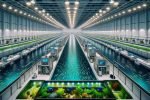 Avoid these rookie recirculating aquaculture systems errors now
Pumping systems
Pumping systems circulate water throughout the RAS, providing oxygenation and nutrient distribution. These systems typically include submersible or inline pumps. A strong pump can ensure water movement, which is vital for transporting oxygen-rich water to aquatic organisms.
It’s important to size pumps correctly. An oversized pump might lead to excess energy use, while an undersized one can fail to maintain proper flow rates. Operating pumps at appropriate levels prevents damage and prolongs lifespan. Remember, consistent water flow is crucial; it’s the lifeblood of your aquatic environment.
Aeration equipment
Aeration equipment is vital for delivering oxygen to aquatic species. You can achieve aeration through air stones, diffusers, or venturi systems. Proper aeration allows fish to thrive and grow efficiently; think of it as providing fresh air in a closed room.
Monitoring oxygen levels helps assess the effectiveness of aeration equipment. If oxygen levels drop too low, fish and plants may suffer. Enhancing aeration can lead to improved growth rates and healthier ecosystems. Exploring options like aeration booster pumps can bring significant benefits to your RAS setup.
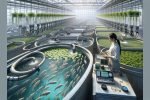 Boost your recirculating aquaculture systems efficiency today
Take a closer look at the key components of RAS to elevate your hydroponic approach. Jump into Hydro4Grow for more detailed insights and equipment recommendations that can enhance your aquaculture practices.
Monitoring and Control Tools
Monitoring and control tools are essential for maintaining optimal conditions in your Recirculating Aquaculture System (RAS). These tools help you track water quality and automate various processes, ensuring your aquatic species thrive.
Water quality sensors
Water quality sensors play a vital role in RAS management. These devices continuously measure parameters like pH, temperature, ammonia, and dissolved oxygen levels. With real-time data, you can quickly identify issues and make necessary adjustments. For example, if dissolved oxygen levels drop, you can increase aeration promptly.
Investing in high-quality sensors enhances your ability to manage a healthy environment. Many advanced systems even allow you to access data remotely, providing peace of mind. You can monitor conditions from anywhere, empowering you to act quickly. Explore the variety of available options tailored to your specific needs at Hydro4Grow.
See also: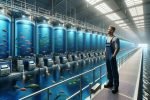 6 benefits of recirculating aquaculture systems you need to know
Automation systems
Automation systems streamline your RAS operations, saving you time and reducing manual labor. These systems can control pumps, aeration devices, and feeding schedules, allowing you to focus on other aspects of your aquaculture venture.
Imagine setting your feed system to automatically dispense food at scheduled intervals. This approach ensures your fish receive the right amount without waste. Automation also enhances consistency, ensuring your aquatic species receive the same high-quality care every day.
By implementing these systems, you improve efficiency, reduce the likelihood of human error, and promote a thriving environment. Jump into the automation solutions available at Hydro4Grow to stay connected and enhance your aquaculture experience.
Additional Equipment
For a thriving Recirculating Aquaculture System (RAS), proper additional equipment enhances stability and growth. Below are some critical components that contribute significantly to RAS efficiency.
Heating and cooling systems
Temperature control is essential for aquatic species’ health. Heating systems maintain warmth during cold months, ensuring fish thrive. Conversely, cooling systems are vital in warmer climates, keeping temperatures steady. A reliable heater or chiller adjusts temperatures quickly. For example, installing a thermostat connected to your heating or cooling system gives real-time updates. You can instantly respond to temperature fluctuations, protecting your aquatic life.
When temperatures rise or fall unexpectedly, the consequences can be severe. Fish become stressed, leading to diseases or even death. By integrating automated heating and cooling solutions, you reduce these risks. So, assessing your local climate conditions and picking equipment accordingly increases your chances of success with Hydro4Grow.
Lighting solutions
Lighting plays a vital role in plant growth in an RAS. It mimics natural sunlight, promoting photosynthesis and enhancing the overall ecosystem. You should consider both intensity and duration when choosing lighting systems. LED lights are an excellent choice due to their energy efficiency and longevity. They emit the right wavelengths for plant growth while minimizing energy costs.
For example, using a timer on your lighting system ensures consistent exposure, leading to healthier plants. It’s important to change light cycles based on the plants’ needs, encouraging growth and productivity.
Proper lighting also contributes to algae control. Ensuring the right spectrum and timing reduces excessive algae blooms that can disrupt the ecosystem. Investigating various types of lights can help you find the best fit for your RAS.
Explore the various sections of Hydro4Grow to discover more about the essential equipment and practices that can elevate your aquaculture experience.
Investing in the right equipment is crucial for the success of your Recirculating Aquaculture System. By prioritizing filtration, aeration, and temperature control, you create an environment that supports healthy growth for both fish and plants.
Monitoring tools and automation systems further enhance efficiency and reduce manual labor, allowing you to focus on optimizing your aquaculture venture.
With the right setup and knowledge, you can turn your passion for aquaculture into a thriving business. Explore the resources available at Hydro4Grow to continue your journey toward successful aquaculture management.