
Overview Of RAS Water Usage
Imagine farming fish and plants together, maximizing production while using minimal water. That’s the appeal of Recirculating Aquaculture Systems (RAS). But, RAS water usage isn’t as clear-cut as it seems.
First, RAS systems are designed to recycle water. They filter and treat the same water multiple times, significantly reducing overall consumption. This sounds fantastic, right? But here’s where it gets surprising: while RAS uses less water than traditional farming, it still demands a substantial amount for essential processes like filtration, temperature control, and maintaining water quality.
Consider the statistics. Research shows that although RAS can recycle up to 99% of its water, losses due to evaporation, spills, and system maintenance account for nearly 10-20% of total water input. This means the efficient-sounding system actually requires more water than you may expect.
Also, ongoing management is crucial. Without careful monitoring, you risk compromising water quality and fish health. That’s where knowledge and expertise come in handy, just like what you’ll find at Hydro4Grow!
See also: Secrets to maximizing fish yield in your RAS revealed
Are you curious about how RAS compares to different aquaculture systems, or what specific water-saving techniques you can use? Explore more sections on our website to discover expert advice and insights tailored to your interests in hydroponic farming.
Environmental Impact
The environmental impact of Recirculating Aquaculture Systems (RAS) raises crucial questions about sustainability and resource management. While RAS promises efficient water use, it’s essential to peel back the layers to grasp its true footprint.
Water conservation
Water conservation in RAS systems isn’t just a design feature; it’s a necessity. RAS can recycle up to 99% of water, making it seem like a water saver. But, consider this: evaporation, spills, and maintenance still lead to a 10-20% loss. That’s significant!
Organizations focusing on sustainable aquaculture emphasize the importance of efficient filtration and circulation. Regular monitoring of water quality ensures fish thrive while minimizing waste. By adopting advanced monitoring technologies, you can catch unexpected losses before they escalate. Embrace these techniques to enhance your water-saving strategy!
 RAS vs traditional aquaculture: which wins for sustainability?
Ecological benefits
Ecological benefits stemming from RAS are impressive. These systems contribute to reduced water extraction from natural sources. Think about it: if RAS operates efficiently and does not overdraw from rivers and lakes, aquatic ecosystems get a break.
Also, RAS often leads to localized production of fish, cutting back on transportation emissions. This means fresher fish for you and a lighter load on your carbon footprint. In some areas, RAS operations even rejuvenate local economies, maintaining natural biodiversity.
Common Misconceptions
Many misconceptions exist about water usage in Recirculating Aquaculture Systems (RAS). Understanding these helps clarify operations and efficiencies.
Myths about water usage
One common myth states that RAS systems use no water at all. In reality, these systems are designed to recycle up to 99% of their water, yet they still face significant losses. Evaporation, spills, and maintenance account for about 10-20% of total water input. Imagine filling a bathtub only to find some water splashing out as you enjoy a bath. Even with great designs, a little water loss can add up over time.
 Why RAS is the future of sustainable seafood for our planet
Another myth is that RAS systems require minimal monitoring. Continuous management plays a vital role in maintaining fish health and ensuring water quality. Regular checks prevent problems and guarantee that your aquatic environment remains stable. By embracing the responsibility of management, you can truly maximize the efficiency of RAS.
Facts behind RAS efficiency
Facts reveal a more complex picture of RAS efficiency. Although these systems efficiently recycle water, factors like temperature control, filtration, and backwashing still demand significant input. Consider it like running a marathon; even though you’re used to the workout, dehydration can still sneak up.
Experts emphasize the need for expertise in adjusting water parameters to keep fish healthy and thriving. For instance, ensuring optimal pH and ammonia levels requires skilled oversight and timely interventions. Efficient water management means more than just saving; it means nurturing a productive aquatic ecosystem.
Economic Considerations
Understanding the economic aspects of Recirculating Aquaculture Systems (RAS) reveals how water usage impacts your bottom line. Investing in RAS technology appears cost-effective due to reduced water consumption, but there are hidden costs you need to know.
See also: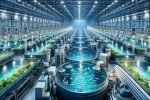 The essential equipment for a thriving RAS revealed
Cost analysis
Costs associated with RAS go beyond initial setup. While systems recycle up to 99% of water, you’ll face ongoing expenses for filtration, heating, and maintenance. Each loss—whether from evaporation, spills, or equipment failures—can consume significant resources. Imagine spending your hard-earned cash on water and loss prevention, all while trying to sustain a productive aquaculture business.
Keep track of your water quality as it plays a crucial role in fish health, impacting yields and revenue. So, incorporating expert monitoring reduces potential losses, making your system more economically viable over time. A detailed cost analysis allows you to identify areas for improvement and maximize your investment.
Long-term sustainability
Long-term sustainability in RAS means adopting practices that protect your investment over years. Think of it as planting a seed that grows into a flourishing plant—your efforts today yield benefits down the line. Effective water management leads to reduced strain on local water sources, a big plus for your community.
By implementing sustainable practices, you ensure your system thrives while remaining eco-friendly. Collaborating with local experts, like those at Hydro4Grow, can provide valuable insights into maximizing your operation without draining resources.
The world of RAS water usage is more complex than you might’ve thought. While these systems offer incredible potential for sustainable aquaculture, the reality of water loss and management is something to take seriously.
By understanding the intricacies of water consumption in RAS, you can make informed decisions that not only benefit your operations but also contribute to a healthier planet.
Embracing efficient practices and collaborating with experts can elevate your aquaculture ventures to new heights. Dive deeper into this exciting field and discover how you can maximize efficiency while supporting local ecosystems. The future of aquaculture is bright and it’s in your hands!