
Overview of RAS Technology
Recirculating Aquaculture Systems (RAS) represent an innovative approach in seafood production. RAS maximizes the efficiency of fish farming while promoting sustainability, addressing the needs of both consumers and the environment.
Definition and mechanism
RAS is a closed-loop system that maintains a controlled environment for aquatic species. This technology involves filtering and recycling water, enabling optimal conditions for fish growth. You harness different technologies to manage variables like temperature, oxygen levels, and waste removal. This ensures fish are raised in clean, healthy conditions, significantly reducing the risks associated with traditional aquaculture methods.
Fish thrive in these stable environments, leading to faster growth rates and higher survival rates. In a world facing seafood shortages, RAS provides a solution. You can produce more seafood with a smaller footprint, eventually addressing the challenges of overfishing and habitat degradation.
Key components of RAS
Key components of RAS include biological filters, aeration systems, and tanks designed specifically for fish rearing. Each element plays a crucial role in maintaining the health and growth of the fish.
See also: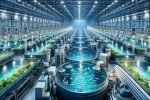 The essential equipment for a thriving RAS revealed
Biological filters break down waste materials, converting harmful ammonia into less toxic compounds. Aeration systems introduce oxygen into the water, essential for fish survival. Tanks, designed for optimal space utilization, allow for higher stocking densities without compromising water quality.
These components work together seamlessly, creating a self-sustaining ecosystem. In this setup, you significantly reduce resource use—such as water and feed—compared to conventional seafood farming methods.
Want to dive deeper into the world of hydroponics and RAS technology? Explore different sections of our website for expert insights and advice tailored just for you.
Environmental Benefits of RAS
Recirculating Aquaculture Systems (RAS) offer significant environmental advantages, transforming the way seafood is produced. These systems are designed to minimize resource consumption while ensuring consistent seafood supply. Let’s examine the key benefits.
 RAS and hydroponics: the perfect marriage for sustainable gardening?
Water conservation
Water conservation is one of the standout features of RAS. Unlike traditional aquaculture, which can waste vast amounts of water, RAS recycles up to 99% of water in its system. The technology efficiently filters and treats water, reducing the overall volume needed for fish farming. For example, in a typical RAS setup, you’ll use less than five percent of the water required by conventional methods. This means RAS not only decreases water usage but also helps preserve local water sources, making it more sustainable for future generations.
Also, by lowering the demand for freshwater, these systems contribute to the health of surrounding ecosystems. Healthy aquatic environments rely on balanced water sources, and RAS plays a vital role in maintaining that balance. Discover how the impact of your choices today can lead to a more sustainable tomorrow.
Waste reduction
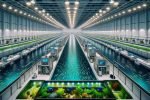
Waste reduction is another critical benefit of RAS. This system captures fish waste and converts it into nutrients, which can then be repurposed for plant growth in hydroponic setups or used as organic fertilizers. This closed-loop process significantly reduces the waste output commonly associated with traditional fish farming.
For instance, RAS can generate more than 80% less solid waste compared to net pen aquaculture. This means cleaner environments for marine life and less pollution in nearby waters. Besides, utilizing advanced filtration systems, RAS keeps water clean and minimizes harmful substances. As you consider sustainable practices in your daily life, remember, adopting solutions like RAS can have a lasting positive impact on the environment.
 Avoid these rookie recirculating aquaculture systems errors now
Explore sections on Hydro4Grow to learn more about how these technologies not only revolutionize seafood production but also align with the principles of responsible environmental stewardship.
Economic Advantages of RAS
Recirculating Aquaculture Systems (RAS) present significant economic advantages that make them an appealing choice for sustainable seafood production.
Cost-effectiveness
Cost-effectiveness stands out as a key benefit of RAS. These systems use innovative technology to minimize expenses associated with feed, water, and energy. For instance, RAS can recycle up to 99% of water, drastically cutting operational costs. By reducing the need for extensive land and freshwater resources, you’re looking at considerable savings over traditional methods. Plus, fish raised in RAS grow faster and healthier, leading to higher yields. When you consider everything from feed costs to lower mortality rates, RAS ensures a more profitable return on investment. Investors find the predictable nature of RAS appealing, especially in an industry that often faces unpredictable environmental impacts.
Job creation
Job creation is another significant advantage of RAS. As more RAS facilities develop, they contribute to local economies by providing a range of employment opportunities. From technicians who maintain the systems to workers involved in production, RAS fosters diverse job roles. These positions often require specialized skills, promoting the development of a workforce knowledgeable in sustainable practices. As you consider the broader economic impacts, note that RAS facilities can also support ancillary industries, such as equipment supply and distribution. Investing in RAS not only benefits your immediate operations but promotes local growth and sustainability, contributing positively to the community.
See also: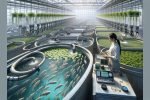 Boost your recirculating aquaculture systems efficiency today
Explore more about hydroponic farming and how you can integrate these systems into your practices on Hydro4Grow for further insights.
Quality and Safety of RAS Seafood
Recirculating Aquaculture Systems (RAS) guarantee high-quality and safe seafood. RAS technology ensures consistent monitoring and control of the aquatic environment. This level of oversight results in healthier fish, which is essential for consumer safety and nutritional value.
Nutritional value
Fish raised in RAS environments reflect superior nutritional profiles. RAS allows precise regulation of feeding practices and diets, leading to more omega-3 fatty acids and essential nutrients. Freshwater or saltwater species benefit from optimal growth conditions, which enhance their health. For example, salmon raised in these systems often show better fat content and less variability in quality, making them a preferred choice for health-conscious consumers. This attention to nutrition aligns perfectly with the ethos of Hydro4Grow, where knowledge and practices focus on maximizing yield while preserving quality.
Contamination prevention
Contamination risks in traditional aquaculture create concerns among consumers. RAS significantly reduces these risks by maintaining a controlled environment. Continuous water filtration and sterilization prevent the introduction of pathogens and harmful substances. The closed-loop design minimizes exposure to contaminants, ensuring that fish remain free from antibiotics and chemicals. Also, RAS systems can recycle up to 99% of water while removing waste, promoting a clean and sustainable approach. This meticulous attention to safety resonates with those looking for responsible seafood choices.
Challenges and Solutions
Even though the promise of Recirculating Aquaculture Systems (RAS), challenges persist that must be addressed for widespread adoption.
Technical limitations
Technical limitations can pose a barrier to RAS implementation. These systems require sophisticated technology and ongoing maintenance. Equipment malfunctions can lead to significant risks for fish health. For instance, an issue in the filtration system may result in poor water quality, impacting growth rates and survival. Also, the initial setup cost can deter potential fish farmers. But, advancements in technology reduce these costs over time. One example is the development of user-friendly monitoring systems. These systems allow for efficient management with less technical expertise, ensuring fish are nurtured in optimal conditions. Overcoming these technical limitations will help the growth of RAS in sustainable seafood production.
Regulatory hurdles
Regulatory hurdles represent another significant challenge for RAS deployment. Various regulatory agencies oversee aquaculture practices, which can complicate the approval process for new facilities. Compliance with regional laws about water use, fish health, and environmental impact is crucial. For example, rigid permitting processes can delay project launches for months or even years. Streamlining regulations can promote innovation in RAS technologies, making it easier for entrepreneurs to enter the market. Collaboration between industry stakeholders and regulators ensures that RAS practices maintain safety without stifling progress. Advocating for sensible regulations encourages the growth of RAS as a viable option for sustainable seafood.
Explore more on Hydro4Grow for detailed insights into overcoming these challenges in hydroponic and RAS farming.
Embracing RAS technology is essential for a sustainable seafood future. By prioritizing efficiency and environmental stewardship, you’re not just supporting healthier fish populations but also contributing to the preservation of marine ecosystems.
The economic advantages further solidify RAS as a viable solution for seafood production. As you consider your choices in seafood consumption, recognize the potential of RAS to provide high-quality, safe, and nutritious options while minimizing ecological impact.
Investing in RAS is investing in a more sustainable and resilient food system. Your support can drive innovation and growth in this promising sector, ensuring that seafood remains a reliable source of nourishment for generations to come.