
10 Rookie Mistakes Every Nutrient Film Technique Newbie Makes
- Underestimating the importance of pH levels
You might think that pH isn’t a big deal, but it plays a crucial role in nutrient absorption. Surprisingly, even small fluctuations can affect your plants. Aim for a pH of 5.5 to 6.5 to ensure your plants thrive. - Neglecting to monitor water flow
Water flow in your NFT system is everything. Too slow and roots can dry out, too fast, and they drown. Regularly check your pump’s operation to keep that flow just right. - Failing to clean the system regularly
You wouldn’t drink from a dirty cup, right? Your NFT system deserves the same respect! Build up of algae or residue can clog channels and harm plant growth. Clean your setup at least once a month. - Choosing the wrong plant varieties
Not all plants are suited for NFT systems. Some need more depth for roots. Leafy greens like lettuce are great, but be cautious with larger plants. Choose wisely to boost your success! - Ignoring nutrient concentration
More isn’t always better when it comes to nutrients. If you overload your plants, you might face nutrient burn. Stick to recommendations on nutrient solutions to keep those veggies happy. - Overlooking lighting needs
Plants need proper light to grow efficiently. If you neglect lighting, growth slows down dramatically. Ensure your setup has adequate lighting tailored to your plant choices. - Skipping root inspection
Roots are the lifeblood of your plants. Regularly check for rot or disease, which can spread quickly. Healthy roots lead to thriving plants, so take a peek below the surface! - Not using a reservoir cover
Leaving reservoirs open can lead to evaporation and contamination. A simple cover can protect your nutrient solution. Plus, it helps maintain stable temperatures. - Inadequate ventilation
Air circulation matters just as much as water. Without proper ventilation, plants can suffer from stress or disease. Use fans or open windows to keep that air moving. - Ignoring environmental factors
Temperature and humidity levels aren’t just numbers; they’re essential for growth. Monitor these factors to keep your plants comfortable. A little attention goes a long way!
Mistake #1: Neglecting Proper Setup
Getting your Nutrient Film Technique setup just right is crucial. It’s about laying the groundwork for healthier, more productive plants. Missing a few key details can really throw your entire operation off.
Skipping installation guidelines
You might think, “How hard can it be?” But skipping installation guidelines can lead to major headaches down the line. Just like building a house, your hydroponic system needs a solid foundation. Not following the manufacturer’s instructions might result in leaks or uneven water flow. Trust me, you don’t want water pooling unexpectedly where it shouldn’t be. Plus, correctly installing components ensures your nutrient solution reaches each plant effectively.
Need a tip? Always read the instruction manual first. Set up your system step-by-step and double-check that you’ve done everything right. Following guidelines ensures that potential problems are avoided before they even arise. Take the time now to set things up correctly, and your plants will thank you later.
Overlooking system leveling
You might overlook an essential step: leveling your system. Think of leveling like setting a stage for a performance. If the stage isn’t even, the show won’t go on smoothly. When your NFT system is uneven, it can cause nutrient buildup on one side and oxidation due to insufficient flow on the other. This leads to stressed plants and diminished yields.
See also: How to build a diy Nutrient Film Technique system affordably
To avoid this, grab a level and check both the frame and the trough system. A slight tilt may not seem like a big deal, but it can throw off your entire water flow. Ensure every component is stable and level, creating a uniform flow of nutrients. Taking this small step can lead to healthier plants and bountiful harvests.
Mistake #2: Ignoring Water Quality
Water quality plays a crucial role in the success of your Nutrient Film Technique (NFT) garden. If you overlook this aspect, you could encounter problems that may stunt your plant growth or even kill them.
Using tap water without testing
Using tap water might seem convenient, but it’s not always the best choice. Tap water often contains chemicals like chlorine and fluoride, which can harm your plants. Think of it this way: just like you wouldn’t drink water with a strange taste or smell, your plants deserve better too.
Testing your water ensures it’s safe for your valuable plants. Invest in a simple water testing kit to check for pH, nutrient levels, and contaminants. This information helps you make informed decisions by adjusting your water supply if needed. When you ensure the quality of your water, you’re setting the stage for a thriving NFT garden. Check out the resources on Hydro4Grow for detailed guides on testing and preparing your water.
 Ultimate comparison: NFT vs. Deep water culture explained
Failing to adjust pH levels
Failing to adjust pH levels can lead to nutrient lockout. If the pH is too high or low, your plants can’t absorb the nutrients they need. Picture trying to eat soup with a fork—frustrating and ineffective!
Your NFT system thrives best with a pH level between 5.5 and 6.5. Use a pH testing kit regularly to keep tabs on your levels. If adjustments are needed, simple products like pH up and down solutions can help. Consistent monitoring ensures your nutrient solution is at its peak, helping your plants grow strong and healthy. For tips on maintaining the right pH level, jump into our guides at Hydro4Grow.
Mistake #3: Miscalculating Nutrient Ratios
Miscalculating nutrient ratios can lead to serious issues in your hydroponic system. Balancing these elements is crucial for healthy plant growth and maximum yields. Let’s dig into how you can avoid this common pitfall.
Not following manufacturer recommendations
Not following the manufacturer’s recommendations for nutrient mixtures can create an unhealthy environment for your plants. Think of nutrients like vitamins for humans; you wouldn’t take too many or too few, right? Each nutrient plays a role in plant development, so sticking to the suggested ratios is essential.
 The best crops for NFT systems and what to avoid for success
Make it a habit to consult the labels on your nutrient solutions. They often provide specific mixing guidelines based on your plant types and growth stages. If you’re unsure, start with the recommended ratios, then modify them gradually, observing your plants’ responses. You’ll find that slight adjustments can lead to big improvements. Remember, it’s easier to fix a small problem than to recover from a nutrient overdose.
Adding nutrients without testing EC
Adding nutrients without testing your electrical conductivity (EC) is like topping off a dish without tasting it first. You might end up over-seasoning or under-seasoning, which can harm your plants. Testing the EC gives you a clear idea of nutrient concentrations in your solution, helping you make informed decisions.
Using an EC meter, you can regularly monitor your nutrient levels and adjust them as needed. This way, you ensure your plants get exactly what they need, no more, no less. For instance, if the EC reading is high, it might signal that you need to dilute your solution or reduce the nutrient supply.
Mistake #4: Overlooking Light Requirements
Lighting’s crucial for your plants’ growth, yet many newbies underestimate its importance. Without the right light, even the best nutrient solutions won’t help your plants thrive.
See also: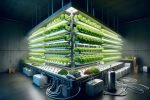 Nutrient film technique: is it worth the hype for growers?
Using inadequate lighting
Failing to provide adequate lighting can lead to leggy plants and poor yields. Think of it like trying to grow a garden in a basement with no windows. Plants need light to photosynthesize and produce food. You’d be surprised how many beginners grab random bulbs thinking they’ll work. Instead, you should opt for full-spectrum LED grow lights. These mimic natural sunlight and can penetrate the plant canopy effectively.
When you set up your system, remember to position those lights close enough to your plants without burning them. A good rule of thumb is keeping lights within 12 to 24 inches above your plants. Don’t forget to adjust as your plants grow. Using timers will help you maintain a consistent light cycle, usually around 12-16 hours a day for most varieties. That way, your plants can do their thing without interruption.
Ignoring plant-specific light needs
Every plant has unique light requirements. Ignoring these could lead to disappointment down the line. Just like humans have different diets, your plants need specific light conditions tailored to their preferences. For instance, leafy greens like spinach thrive in lower light compared to fruiting plants like tomatoes or peppers, which crave bright light.
You’ll want to research the plants you’re growing to ensure their needs align with your lighting setup. Higher light intensity can lead to better fruiting, but it may also require more energy and cooling to prevent overheating. It’s a balance! Grouping plants with similar light needs together can simplify your setup.
Mistake #5: Underestimating Airflow Needs
Airflow is often an overlooked aspect of hydroponic systems, but don’t make that mistake! Proper ventilation is key to healthy plants. Without it, you risk stunted growth and higher pest problems.
Holding back on ventilation
You might think that your plants can thrive without much airflow. But, stagnant air can lead to problems like mold and slow growth. Think of your plants like you: they need fresh air to breathe! By ensuring proper ventilation, you’re promoting gas exchange. This process allows carbon dioxide to enter while oxygen escapes, boosting photosynthesis. Use fans to keep the air moving, and don’t hesitate to adjust their position periodically to cover all areas.
Neglecting intake and exhaust systems
You shouldn’t neglect your intake and exhaust systems either. These systems work hand-in-hand to maintain a balance of fresh air and humidity levels. Imagine breathing through a straw; if it’s blocked, air can’t get in. The same goes for your hydroponic setup. Install fans or vents to ensure that fresh air flows in while stale air gets pushed out. This circulation helps prevent temperatures from rising too high, which can stress your plants. Aim for an intake system that draws in cool air, while your exhaust system works to release warm, humid air. Taking these steps ensures your hydro system remains optimal.
Mistake #6: Trying to Grow Too Many Plants
Trying to grow too many plants can lead to chaos in your Nutrient Film Technique (NFT) system. More plants sound great, but overcrowding can increase competition for nutrients, light, and air.
Overcrowding in the grow area
Overcrowding in your grow area is like cramming everyone into a small room; it just doesn’t work well. When your plants are too close together, they’ll compete for essential resources. This competition can hinder growth and lead to lower yields.
You may think, “I’ll just squeeze in a few more plants,” but that could backfire. The crowded environment can generate more humidity and promote diseases like powdery mildew. Aim for spacing that allows airflow, light penetration, and healthy root development—your plants will thank you for it. A good rule of thumb? Follow suggested spacing guidelines for the specific plants you’re growing.
Failing to consider plant growth patterns
Failing to consider plant growth patterns can make your hydroponic journey more challenging. Different plants grow differently; some spread wide, while others grow tall. For instance, basil can be bushy, while tomato plants may reach for the sky. Understanding growth patterns helps you place plants appropriately.
Plan your layout by considering how large each plant will become. You wouldn’t plant a giant sunflower next to delicate lettuce, right? Make sure your layout reflects a thoughtful balance of plant sizes to avoid unnecessary crowding. By keeping these dynamics in mind, you’re likely to achieve healthier plants and a more productive harvest.
Mistake #7: Skipping Regular Monitoring
You might think your plants are thriving, but skipping regular monitoring can lead to unexpected problems. It’s easy to overlook the less exciting parts of hydroponic farming, yet staying on top of things is crucial for success.
Forgetting to check nutrient levels
You need to keep a close eye on your nutrient levels. Think of it like cooking: if you don’t check the seasoning, your dish may end up bland or too salty. Using a nutrient meter helps you track concentrations accurately. Aim for an electrical conductivity (EC) level between 1.5 and 2.5 mS/cm for most plants, and adjust as needed.
You should monitor nutrient levels at least once a week. This way, you can spot dips or spikes that may affect plant health. If plants start looking yellow or the tips turn brown, it’s a sign something’s off. Regular checks mean you can make adjustments before the problems escalate. Keeping a log can help you spot trends over time. So, don’t skip those monitoring sessions; they’re fundamental for vibrant growth and abundant yields.
Ignoring plant health signs
You can’t afford to ignore plant health signs. Catching issues early can save your entire crop. Plants communicate with you; yellowing leaves may indicate nutrient deficiencies, while drooping can signal overwatering or root rot. Just like a child who complains of a stomachache, plants show signs when they’re not feeling well.
Check your plants daily; getting into this habit will help you notice subtle changes faster. Observe the leaves closely—are they turning a different shade or developing spots? Address these issues as they arise. Sometimes, a small tweak in your nutrient solution can fix the problem before it worsens.
Mistake #8: Rushing Through Harvesting
Harvesting is a crucial part of growing in hydroponics, and rushing can lead to missed opportunities. You want to ensure you’re picking at the right moment for the best flavor and yield.
Harvesting before optimal ripeness
Harvesting too soon can be like trying to enjoy a movie that’s just getting started. You’re eager for the results, but that anticipation can cost you. Many beginners jump the gun, thinking they can beat pests or diseases, but this often leads to smaller, less flavorful crops. For instance, leafy greens like lettuce should be harvested when they reach a height of 6 to 8 inches, ensuring they’re tender and full of nutrients. Waiting just a few extra days might mean the difference between a good salad and a great one. Take your time; patience pays off.
Not assessing multiple indicators
Relying solely on one indicator, such as color, is a rookie mistake. Just like you wouldn’t base a car’s health on just its engine sound, plants need a combination of signals to tell when they’re ready. Check for firmness, size, and even plant health indicators like yellowing leaves. For example, tomatoes can look good from the outside, but if you squeeze them gently, you might find they’re not fully ripe inside. Using a holistic approach helps guarantee that the harvest is worth your time and effort. So, keep your eyes peeled and combine all these indicators for the perfect pick!
Mistake #9: Disregarding System Cleanliness
Keeping your nutrient film technique system clean is crucial for successful hydroponic gardening. Neglecting cleanliness can lead to nutrient imbalances and diseases that harm your plants. Let’s jump into two common issues that many newbies face.
Neglecting regular cleaning routines
You might think that a little dirt won’t hurt anything, but regular cleaning routines are essential. Picture your NFT system as a car engine; if it’s not maintained, it won’t run smoothly. Clean your system at least every two weeks to prevent buildup that can disrupt nutrient flow. Make it a habit!
First, rinse out the tubing and channels to eliminate any leftover nutrients. Then, use a mild cleaning solution to wipe down the surfaces. Always remember, bacteria and residues can thrive in dirty conditions, leading to root rot — a nightmare for any beginner. Just like a clean kitchen keeps your food safe, a clean NFT system keeps your plants healthy.
Allowing algae growth to thrive
You can think of algae like the unwanted plants in your garden—they just pop up and take over! Ignoring algae growth can choke your plants and block light. Keep your system algae-free by minimizing light exposure to the reservoir where algae love to grow.
Covering the reservoir and use opaque materials for your system helps to prevent light penetration. You should also check your water temperature; warmer water encourages faster algae growth. You wouldn’t let weeds take over your garden, so don’t let algae disrupt your hydro setup.
Mistake #10: Avoiding Community Resources
Don’t underestimate the power of community. Tapping into established networks can elevate your hydroponic journey significantly. Many new growers miss out on valuable insights. They think they can handle it all alone, but seasoned experts can provide shortcuts and solutions that save you time and money.
Not seeking help from experienced growers
You might feel hesitant to ask for help, but don’t let that hold you back. Experienced growers often have a treasure trove of knowledge to share. Imagine you’re tackling a tricky puzzle and somebody hands you the missing piece—suddenly, it all makes sense. That’s what you can gain from connecting with those who’ve been in your shoes.
Start by visiting local hydroponic shops or checking out online communities. Engage with groups on platforms like Facebook or Reddit. Ask questions and listen to their experiences. They can offer tips on nutrient adjustments, pest management, and even plant varieties that thrive. You could uncover hidden gems that drastically improve your setup. So, step out of your comfort zone and reach out—your plants will thank you!
Ignoring online forums and groups
Online forums and groups are like gold mines for information. If you’re not participating in discussions, you’re missing out on real-time advice and experiences. Think of these communities as a team of cheerleaders all rooting for your success. You could find everything from troubleshooting tips to innovative growing techniques.
Specific forums like those on Hydro4Grow can connect you with fellow hydroponic enthusiasts. Jump into topics on water quality, pH levels, or even advanced NFT setups. Reading about others’ successes and mistakes helps you avoid rookie pitfalls and refine your system. Plus, sharing your journey can foster a sense of belonging—valuable for any hobbyist.
Getting started with Nutrient Film Technique can be an exciting journey but it’s easy to stumble along the way. By being aware of these rookie mistakes you can save yourself a lot of frustration and heartache.
Remember to keep an eye on those pH levels and water quality. Regular monitoring of your system and plants goes a long way in preventing issues before they escalate. Don’t forget to engage with the community too; you’ll find a wealth of knowledge and support from fellow growers.
With a little patience and practice you’ll be well on your way to a thriving hydroponic garden. Happy growing!