
Full Guide to Choosing the Perfect Nutrient Film Technique Channel
Selecting the right NFT channel can significantly affect your hydroponic success. Start by considering the channel size. Channels should accommodate the plants’ root systems. Typically, choose channels 2 to 4 inches wide for most crops.
Next, focus on material selection. PVC is a popular choice due to its durability and smooth surfaces, promoting water flow. Alternatively, consider other materials that provide insulation and prevent algae growth. Think about how different materials impact your setup.
Don’t overlook channel slope. A 1-3% incline ensures that nutrient-rich water flows efficiently but avoids over-saturation of roots. This balance supports healthy plant growth and nutrient uptake.
Evaluate the channel length as well. Shorter channels might suit smaller setups or limited spaces, while longer channels accommodate larger systems. Ensure that your layout allows for adequate water circulation.
See also: How to scale up your Nutrient Film Technique system affordably
Finally, explore customization options. Adjustable channel systems can adapt to various plant types. Look for options that align with your growing preferences.
Explore our sections for more details! Getting the right channel will set your hydroponic journey on the right path. Check out Hydro4Grow for expert advice tailored to your needs.
Understanding Nutrient Film Technique (NFT)
Nutrient Film Technique (NFT) represents a cutting-edge approach to hydroponic gardening. With this method, a thin film of nutrient-rich water flows over the roots of plants, allowing them to absorb essential nutrients while being exposed to air. This unique setup promotes healthy root growth, making it a preferred choice for both hobbyists and commercial growers.
What is nutrient film technique?
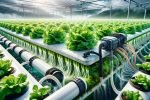
Nutrient Film Technique, or NFT, is a hydroponic growing system designed to deliver nutrients efficiently. In NFT systems, plant roots hang in channels, while a shallow stream of nutrient solution flows continuously. This setup nurtures the roots, providing moisture and nutrients while ensuring they get enough oxygen from the air. The channels are usually inclined at a slight angle to help the flow. This technique is particularly effective for small, fast-growing crops, such as lettuce and herbs.
 Why your Nutrient Film Technique system might be failing? Fix it now
Benefits of nutrient film technique
Adopting NFT comes with multiple benefits. First, water efficiency is a key advantage. This method can save up to 90% more water compared to traditional farming techniques. Also, space efficiency plays a significant role. The design allows you to stack channels vertically, perfect for urban settings or greenhouses with limited space.
You also gain ease of monitoring. NFT systems offer open structures, making it straightforward to check the health of plant roots and make necessary adjustments. By providing these advantages, NFT systems not only drive sustainability but can also lead to higher yields and healthier crops.
Key components of an NFT system
Understanding the key components of an NFT system helps in setup and maintenance. The primary elements include a reservoir for the nutrient solution, a pump for circulation, and channels where the plants are housed.
The channel dimensions matter as well; typically, they should be around 2 to 4 inches wide to effectively cradle the roots. The material of the channels is equally important; many prefer PVC due to its durability and smooth surface, which prevents algae growth. Finally, a slight incline of 1-3% promotes an efficient flow of nutrients without over-saturating the roots. These components work harmoniously to create a thriving hydroponic environment.
 5 secrets to mastering Nutrient Film Technique for beginners
For a deep jump into each aspect of NFT systems and hydroponic gardening, explore the various sections of Hydro4Grow, where expert advice awaits.
Factors to Consider When Choosing an NFT Channel
Selecting the right NFT channel impacts the success of your hydroponic system. Consider these key factors for making informed choices.
Channel material
Channel material significantly influences durability and performance. PVC ranks as a top choice due to its strength and smooth surface. PVC channels resist leaks and minimize algae growth, ensuring a clean environment for your plants. Alternatively, consider materials like polyethylene or vinyl, which also offer good longevity and flexibility. Ensure any material used is safe for growing food. For example, if using a non-PVC material, check for food-grade certifications to avoid harmful chemicals leaching into your nutrient solution. When in doubt, explore resources on Hydro4Grow for guidance on material selection.
Channel width and height
Channel width and height affect nutrient delivery and root growth. An ideal width for your channel falls between 2 to 4 inches, providing ample space for roots to access nutrients and oxygen without overcrowding. Height plays a vital role too, as a taller channel can enhance water flow and prevent stagnation. Channels also benefit from a slight slope. For example, a 1-3% incline directs the nutrient film evenly, keeping the roots healthy while allowing excess water to drain. A good channel design enables optimal growth conditions for multiple plant types.
See also: Amazing benefits of Nutrient Film Technique systems
Channel length
Channel length can impact your hydroponic setup’s efficiency and manageability. Standard lengths generally range from 4 to 10 feet, allowing flexibility for your growing space. Shorter channels suit small home gardens while longer ones cater to larger systems. Consider the size and space available when choosing. Also, adjustable systems let you customize channel lengths to fit specific plants or growth stages. Structuring your setup properly prevents overcrowding and maximizes yield potential. Don’t hesitate to refer back to Hydro4Grow for expert suggestions tailored to your setup.
Channel shape and design
Channel shape and design directly influence water flow and root access. Most NFT channels are rectangular, allowing even nutrient distribution across the plant roots. But, some systems come with elliptical or triangular shapes, promoting further water movement and reducing stagnation risk. Besides, consider features like rounded edges that minimize dead zones where nutrients might accumulate. An effective design creates a thriving environment that boosts plant growth and overall yield. Explore different designs to find the best fit for your hydroponic aspirations.
For more information on selecting the perfect NFT channel or diving deeper into hydroponics, visit various sections of Hydro4Grow.
Types of NFT Channels Available
Choosing the right Nutrient Film Technique channel is essential for the success of your hydroponic system. Several types of channels offer unique features and benefits, impacting plant growth and nutrient delivery.
PVC channels
PVC channels are popular in hydroponics due to their durability and affordability. Strong yet lightweight, PVC is resistant to many environmental factors. This channel type features smooth interiors, allowing nutrient-rich water to flow freely. Algae growth is less likely, keeping your system cleaner and more efficient. You can find PVC channels in various widths, typically 2 to 4 inches, accommodating many plant types.
Consider this: using PVC channels provides a cost-effective solution for beginners exploring the world of hydroponics. They offer a balance between performance and affordability while delivering reliable results. If you’re looking to optimize plant growth while balancing costs, PVC channels stand out as a solid choice.
Aluminum channels
Aluminum channels deliver a modern alternative to traditional materials. They provide superior conductivity, promoting efficient nutrient transfer. Their lightweight structure ensures easy setup and adjustment. Aluminum channels resist corrosion, making them a lasting option in hydroponic systems.
Consider the shape; many aluminum channels have a sloped design to enhance water flow. This allows for better oxygenation of roots, a key factor in thriving plants. You’ll find they come in various sizes, giving you flexibility for your specific garden layout. If you’re searching for a long-term investment in your hydroponics, aluminum channels are worth exploring.
Custom-built channels
Custom-built channels offer the ultimate in flexibility for your hydroponic setup. You can tailor dimensions, materials, and designs to fit your specific needs. If you face unique space constraints or have specific plant requirements, custom solutions can optimize both growth and efficiency.
Imagine designing a channel that fits perfectly into your ideal garden layout. It’s not just about the aesthetics; it’s about creating an environment that fosters healthy plant growth. Custom-built channels can enhance nutrient delivery and overall performance. If you want full control over your hydroponic system, these channels offer the best path forward.
How to Evaluate Channel Quality
Assessing the quality of NFT channels requires attention to key factors. Evaluating these aspects ensures optimal performance and longevity of your hydroponic system.
Thickness and durability
Thickness impacts durability significantly. Thicker channels resist bending and warping under pressure. For example, channels made from 0.08 to 0.10 inches thick provide enhanced strength. This thickness supports the weight of plants and prevents deformation due to water flow. Durability translates directly to longevity. Investing in robust materials means fewer replacements and less downtime. Look for PVC or aluminum options that meet these thickness criteria. Hydro4Grow advocates choosing brands with trusted reputations for better assurance of quality.
Resistance to UV light
Resistance to UV light matters when considering channel materials. Prolonged exposure to sunlight can cause degradation, leading to cracks and structural failure. Select channels specially formulated with UV inhibitors. Channels that resist fading maintain their quality and minimize maintenance efforts over time. For instance, PVC and aluminum channels often possess high UV resistance, ensuring longevity. Remember, a durable channel means fewer headaches in the long run. Choosing wisely protects your investment in a thriving hydroponic system.
Ease of cleaning
Ease of cleaning channels cannot be overlooked. Smooth surfaces promote effortless washing, reducing the buildup of algae and other residues. Look for channels with rounded edges; these are easier to access and clean. Regular cleaning prevents nutrient blockages, ensuring seamless water flow. Consider a design that facilitates quick disassembly. This allows for thorough cleaning without complicated processes. Smooth interiors and accessible designs aid your gardening endeavors. Prioritize these features to maximize efficiency and maintain healthy plants.
Explore more sections of Hydro4Grow for additional insights on selecting the best NFT channels tailored to your hydroponic needs.
Installation Tips for Your NFT Channels
When setting up your Nutrient Film Technique channels, proper installation is key for success. Follow these essential tips for optimal performance.
Preparing the site
Assess your installation area first. Start by ensuring a level surface, which plays a critical role in water flow. A flat site prevents uneven nutrient distribution and root over-saturation. Clear away any debris or obstacles that could impede growth. You also want to measure the length and width of your channels to effectively plan your setup. Remember, adequate space allows for easy maintenance later. Consider placing a tarp or plastic sheeting underneath to avoid water damage and help easy cleanup. Starting with solid preparation simplifies installation and boosts your hydroponic success.
Proper channel placement
Determine the ideal orientation for your NFT channels. Place channels at a slight angle to promote effective water flow. An incline of about 1-3% helps keep the nutrient film moving without causing pooling. Avoid direct sunlight on the channels as it can cause temperature fluctuations and algae growth. Instead, position channels in a shaded area or consider using covers to maintain consistent conditions. Secure the channels using brackets or supports to prevent movement. This stability ensures that your plants receive nutrients uninterrupted. Correct placement lays the groundwork for an efficient hydroponic system.
Maintaining Your NFT Channels
Maintaining your NFT channels ensures optimal performance for your hydroponic system. Simple steps like regular cleaning and monitoring nutrient flow keep plants thriving.
Regular cleaning schedule
Set a regular cleaning schedule for your NFT channels. Clean channels every two weeks to prevent algae growth and nutrient blockages. Clear water flow is essential for healthy plants.
Use a soft brush or a cloth to wipe down the interior surfaces of the channels. Avoid harsh chemicals; they might harm your plants. Rinse thoroughly with warm water to remove any residue.
After each clean, check for any signs of wear or damage. If cracks or defects appear, repair or replace the channels to maintain functionality. Channel maintenance boosts the longevity of the system.
Consider documenting your cleaning schedule in a log. Keeping track allows you to spot patterns and optimize maintenance routines. After all, healthy channels lead to healthy plants. Explore Hydro4Grow for tips on effective cleaning strategies.
Monitoring nutrient flow
Monitor nutrient flow regularly. Effective flow ensures that plants receive adequate moisture and nutrients while absorbing oxygen. A slight tilt of 1-3% promotes optimal water movement.
Check the pump operation daily. If the pump malfunctions, nutrient flow stops, causing plant stress. Look for leaks or blockages in the channels. Address these issues promptly to prevent larger problems.
Use a flow meter to measure the nutrient flow. Consistent readings indicate a well-functioning system. If flow rate drops, investigate potential causes—clogged channels or malfunctioning pumps.
Adjusting the nutrient solution concentration is key. Too concentrated solutions can lead to root burn. Monitor pH levels regularly and adjust as needed to ensure efficient nutrient absorption.
Maintaining nutrient flow enhances plant growth and yield potential. Take action today by diving deeper into hydroponic practices on Hydro4Grow and discover more best practices for ensuring a thriving hydroponic garden.
Troubleshooting Common Issues
Troubleshooting common issues can significantly improve your hydroponic success. Here’s how to address common problems.
Clogging and blockages
Clogging and blockages disrupt nutrient flow, affecting plant health. Regular inspection of your channels helps identify early signs. Start by checking your pump and filters. Clean or replace filtered water components every two weeks to maintain optimal performance.
If blockages occur, clear out the channels using a soft brush or a garden hose. Avoid harsh chemicals that could harm plants. Remember to check for buildup of debris or plant roots inside the channel too. A proactive maintenance routine prevents many of these issues before they escalate.
You might consider using synthetic materials like PVC for your channels. They reduce the chances of obstructions as they offer smoother surfaces for water flow. Hydro4Grow offers many resources on keeping your channels pristine and efficient.
Algae growth
Algae growth can jeopardize your hydroponic garden by obstructing light and nutrients. Keep your channels clean and reduce light exposure to combat algae. Covering channels with non-transparent materials or using dark-colored paint helps prevent light penetration.
Weekly checks on nutrient solutions also support algae management. When nutrient solutions sit for long periods, they become breeding grounds for algae. Changing the water regularly maintains its freshness and quality.
Supplying your plants’ immediate needs further limits algae growth. Ensure water levels are correct and nutrients are balanced. Giving your plants the right environment promotes vigorous growth while keeping unwanted elements at bay. Discover more on algae prevention and treatment on Hydro4Grow.
Nutrient imbalance
Nutrient imbalance stems from inconsistent solution mixing. Start by monitoring your nutrient solution concentrations every week. Use test kits to measure pH and EC levels. Maintaining a pH level between 5.5 and 6.5 is crucial for nutrient uptake.
If a nutrient deficiency is noticed, adjust accordingly. Adding specific nutrient solutions tailored to your plants’ growth stages ensures they receive what they need. Regularly document these adjustments to understand patterns, allowing for proactive corrections.
Absorbing knowledge from reliable sources can help better nutrient management. Hydro4Grow shares expert insights on achieving the perfect nutrient balance for your hydroponic system. Explore our sections for further guidance tailored to support your gardening success.
Helpful Tips for Success
Success in Nutrient Film Technique (NFT) gardening involves careful planning and execution. Use these tips to maximize your yields and promote robust plant health.
Choosing the right plants for NFT
Choosing the right plants for NFT systems starts with species selection. Opt for plants with shallow root systems such as lettuce, herbs, and small greens. These varieties thrive in the constant nutrient flow NFT provides. High-density planting can also work for crops like basil and cilantro, which enjoy tight spacing.
Organizing plant choices based on growth cycles works wonders. For instance, select fast-growing crops for quicker turnover rates. Understanding light requirements contributes significantly too; placing shade-loving plants together in a single section helps maintain an ideal growing environment. Explore more plant varieties, and maximize your NFT’s effectiveness.
Setting up a monitoring system
Setting up a monitoring system enhances the performance of your NFT channel. Start by installing a flow meter to measure water movement. This ensures your plants receive consistent nutrient delivery.
Integrate pH and nutrient level sensors to maintain optimal conditions. Knowing when to adjust nutrient concentrations and pH levels keeps plants thriving. Regular data recording makes it easier to notice trends, helping you anticipate problems before they arise.
Establishing a routine for monitoring and adjusting becomes second nature over time. Document maintenance schedules to track plant health effectively. Explore more strategies and expert advice at Hydro4Grow to further enhance your hydroponic gardening experience.
Choosing the right NFT channel is crucial for your hydroponic success. By understanding the key features like size material and slope you can create an optimal environment for your plants. Remember to evaluate channel quality and maintain regular cleaning routines to prevent issues like clogging and algae growth.
Staying proactive with monitoring nutrient levels and adjusting conditions ensures your plants thrive. Whether you opt for PVC aluminum or custom-built channels each choice has unique benefits that can elevate your gardening experience.
With the right setup and care you’re well on your way to achieving bountiful yields and healthy plants. Explore resources like Hydro4Grow to further enhance your NFT gardening journey.