
How to Avoid Common NFT Disasters in Your Hydroponic Setup
Avoiding common NFT disasters requires attention to detail and proactive measures. Start with regular monitoring of your nutrient solution. Test the pH and electrical conductivity (EC) of the solution frequently, aiming for a pH range of 5.5 to 6.5 for optimal nutrient absorption. An unbalanced solution creates nutrient deficiencies or toxicities that stunt plant growth.
Next, invest in a reliable water pump. Pump failures can lead to nutrient starvation for your plants. Carry out a backup system or a second pump to ensure consistent nutrient delivery. A small daily check of the pump functionality can save you from significant losses later.
Also, ensure proper oxygenation of the nutrient solution. Using an air pump and air stones delivers needed oxygen to plant roots. Healthy roots thrive in well-oxygenated environments, enhancing growth and overall yield. Remember, stagnant water invites problems like root rot.
Pay attention to your channel design. Channels should have a slight slope to help nutrient flow. A slope of about 1-2% promotes effective water movement, preventing pooling or dry spots within the system.
See also: Nutrient Film Technique troubleshooting tips for healthy plants
Finally, be mindful of the types of plants you grow. NFT suits fast-growing crops like lettuce and herbs. Struggling with larger crops can overwhelm your setup and lead to failures.
For more tips and information about optimizing your hydroponic setup, explore various sections of Hydro4Grow to enhance your gardening experience.
Understanding Nutrient Film Technique (NFT)
Nutrient Film Technique (NFT) stands as a cornerstone of hydroponic systems. This method involves a continuous flow of nutrient-rich water that nourishes plant roots housed in shallow tubes or channels. You can think of it as a nutrient highway that keeps your plants thriving by providing essential elements while allowing for sufficient oxygen exposure.
What is NFT?
NFT is a hydroponic method where a thin film of nutrient solution circulates over the roots of your plants. The roots remain suspended in the solution while their upper parts stay above it, exposed to air. This design promotes efficient nutrient uptake and encourages healthy root development.
 Full guide to choosing the perfect Nutrient Film Technique channel for success
Plants like lettuce and herbs flourish in NFT systems due to their lightweight nature. If you choose heavier crops, remember they may require additional support since NFT is less suitable for them. This technique allows for optimized growth cycles, resulting in plants that grow up to 50% faster than those in soil.
Benefits of NFT in hydroponics
Embracing NFT in your hydroponic setup offers multiple benefits. First, consider space efficiency. NFT systems require less room since channels can be stacked vertically. This makes it an ideal choice for urban farming or areas with limited arable land.
Next, water efficiency shines through. NFT can save up to 90% of water compared to traditional gardening. This not only conserves precious resources but also lowers your overall costs.
Also, frequent monitoring becomes easier. The open structure allows direct access to plant roots, streamlining health checks and maintenance. To top it off, healthy plants translate into increased yields, making NFT a smart choice for both hobbyists and commercial growers.
 How to scale up your Nutrient Film Technique system affordably
Essential Components of an NFT System
Understanding the essential components of a Nutrient Film Technique (NFT) system ensures you set up your hydroponic garden for success. Each part plays a crucial role in creating an efficient environment for plant growth.
Nutrient reservoir
The Nutrient Reservoir acts as the heart of your NFT system. This container holds the nutrient solution that delivers essential minerals to your plants. Select a reservoir that holds an adequate volume—for instance, a 20-gallon tank works well for a small setup. Ensure the reservoir is constructed from food-safe materials to prevent leaching harmful substances. Regularly check the nutrient levels, and adjust the solution every two weeks to prevent imbalances. An effective temperature range helps as well, ideally between 65°F and 75°F.
Growing channels
Growing channels serve as highways for your plants. These vertical or horizontal tubes carry a thin film of nutrient solution over the plant roots. Opt for channels that are 2 to 4 inches wide and sloped at a slight angle. This angle allows the solution to flow smoothly while providing enough oxygen for your plants’ roots. Make sure the channels are damp but not excessively wet—too much moisture can lead to root rot. Using materials like PVC pipe is popular, as they are affordable and easy to install. Regularly inspect the channels for clogs or algae buildup, as cleaning them promotes optimal growth.
Pumping system
Your pumping system functions as the lifeline of the NFT setup. Invest in a reliable submersible or inline water pump that can maintain the flow rate according to your system’s requirements—typically around 1-2 gallons per minute depending on your setup size. Monitor the pump regularly for signs of wear or blockage; replacing a pump when needed keeps the nutrient flow consistent. A timer can automate the pumping schedule, ensuring nutrient distribution at regular intervals—this reduces the risk of over or under-watering. Proper installation prevents leaks and ensures that the nutrient solution reaches your plants effectively.
See also: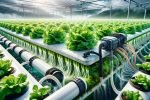 Why your Nutrient Film Technique system might be failing? Fix it now
Support structure
The Support Structure holds everything in place, ensuring your NFT system remains stable. Build a sturdy frame using wood or metal that accommodates your growing channels and reservoir securely. Ensure your support structure allows for easy access to all components for maintenance. A well-designed setup reduces the risk of accidents or damage to your plants. Consider adjustable or removable support systems, allowing you to modify your layout as needed.
For more detailed information on each component, explore the various sections of Hydro4Grow. Your hydroponic journey begins with the right knowledge and setup.
Common NFT Disasters and Their Prevention
NFT systems face various challenges that can hinder plant growth. Understanding these disasters can significantly enhance your hydroponic setup.
Poor nutrient management
Poor nutrient management leads to nutrient deficiencies or toxicities in plants. An unmonitored nutrient solution can create an imbalance. It can happen when nutrients do not meet the plants’ needs, causing symptoms like yellowing leaves or stunted growth. This scenario occurs when the nutrient solution’s pH level drifts outside the ideal range of 5.5 to 6.5.
Regular monitoring of nutrient levels is critical. At least every week, test your solution using reliable kits. Adjust the nutrient concentration based on your plants’ growth stage. For instance, seedlings require lower nutrient levels than mature plants. Also, ensure your solution is well-aerated to promote nutrient uptake by the roots.
Preventing stagnant water is essential. Stagnant solutions can lead to algae growth, consuming valuable nutrients while potentially harming plants. Ensure consistent water flow through your channels. Carry out a routine maintenance schedule to inspect your pumps and replace any malfunctioning parts promptly.
Maintaining proper nutrient management fosters healthy plant growth. With regular testing and adjustments, your hydroponic garden flourishes. For deeper insights on optimizing your setup, explore more sections on Hydro4Grow and make your hydroponic journey a success.
Pump Failures
Pump failures can disrupt nutrient flow and oxygenation in your hydroponic setup, leading to critical issues. By knowing how to identify and address these problems, you maintain a healthy environment in your NFT system.
Identifying pump issues
Identifying pump issues involves observing common symptoms of pump failure. For instance, if you notice weak water flow, check the pump’s power source and connections. An audible humming sound may indicate the pump is on but not functioning properly. Fluctuations in water levels signal potential blockage in the input or output lines.
Frequent air bubbles in the nutrient solution can also reveal that the pump is struggling. Examine the pump for visible damage or wear. Regular inspections can catch problems early. By maintaining open communication with any local hydroponic stores, such as Hydro4Grow, you gain access to experts who can offer assistance when required.
Backup solutions
Backup solutions ensure your hydroponic setup remains operational during pump failures. First, install a secondary pump that switches on automatically when the primary pump fails. Select a reliable brand with a good track record. Keep a backup nutrient reservoir ready, filled with a fresh nutrient solution.
Consider using a manual pump to maintain flow during emergencies. While it’s labor-intensive, having this option provides immediate relief. Set reminders for regular pump maintenance checks to catch wear and tear before issues arise.
By implementing these strategies, you minimize disruption to plant growth and maximize yield potential. Explore more sections on Hydro4Grow for additional tips and detailed guidance on maintaining a successful hydroponic setup.
Algae Growth
Algae growth poses a significant threat in hydroponic systems, especially in NFT setups. Understanding the factors that contribute to algae accumulation ensures that you maintain a healthy environment for your plants.
Causes of algae accumulation
Algae thrive in environments with excess nutrients, warmth, and sunlight. Most importantly, nutrient-rich water provides the perfect conditions for algae blooms. When nutrient levels become imbalanced, particularly with high nitrogen or phosphorus, algae can quickly overtake your system.
Light exposure also plays a crucial role. If growing channels or reservoirs are exposed to direct sunlight, algae can flourish. Also, stagnant water accelerates the growth of algae by allowing them to settle. If you notice greenish coloration on your plants or the water, it’s a clear indication of algae presence.
Inadequate circulation compounds the issue. Seriously, if water doesn’t continuously flow through the channels, it creates a warm, nutrient-heavy environment that algae love. Regular checks and maintenance can help mitigate these risks.
How to prevent algae growth
Prevention starts with controlling your setup. Block light exposure by covering reservoirs and channels with opaque materials. This simple step greatly reduces the chance of algae growth.
Monitor nutrient levels closely. Keep nutrient solutions balanced according to your plants’ needs. Make adjustments regularly to avoid excess nutrients that feed algae. Remember to keep water temperatures ideally between 65°F and 75°F to discourage algae proliferation.
Ensure consistent water flow throughout your system. A powerful pump pushing nutrient-rich water creates movement, preventing stagnation. Also, consider using beneficial bacteria or enzymes in your reservoir to outcompete algae.
Adopting these practices not only curbs algae growth but also enhances overall plant health. For more detailed information on managing your hydroponic system, explore the various resources available on Hydro4Grow.
Water Quality Issues
Water quality plays a pivotal role in maximizing your hydroponic success. Poor water quality can lead to numerous challenges. Addressing these can significantly improve plant health and yields.
Testing water quality
Testing water quality ensures that your plants receive all necessary nutrients. Regular tests reveal crucial parameters such as dissolved oxygen levels, electrical conductivity, and harmful contaminants. Use reliable testing kits or meters to conduct these tests every week. For example, if you notice lower-than-expected growth rates, check for elevated levels of chlorine. Chlorine can inhibit root health and nutrient uptake.
When testing, focus on the nutrients specific to your plants’ growth stages. For instance, plants in the seedling stage require different nutrient ratios compared to fruiting plants. Also, understanding the source of your water adds an extra layer of care. Tap water may contain chemicals or heavy metals detrimental to your plants. Consider using filtered or distilled water for optimal results.
Maintaining optimal pH levels
Maintaining optimal pH levels is crucial for nutrient availability. The ideal pH range for most hydroponic crops is between 5.5 and 6.5. Outside this range, nutrients become locked out. This locking can lead to deficiency symptoms, such as yellowing leaves or poor growth.
To monitor pH levels, use easy-to-read pH testing kits or digital meters. Adjustments can be made with pH up or pH down solutions. Regular monitoring keeps your nutrient solution balanced. For instance, if pH drifts to 7.0, nutrients like iron might become unavailable. Also, fluctuations in pH may indicate underlying issues, such as nutrient imbalances or water quality concerns.
Apply these practices consistently to ensure healthy plant growth. Consider setup automation systems to help with monitoring pH levels in real-time. For additional tips and insight, explore the various sections on Hydro4Grow to enhance your hydroponic journey.
Troubleshooting Common NFT Problems
The Nutrient Film Technique (NFT) system can encounter various challenges that impact plant growth. Identifying these problems early facilitates effective resolution.
Low flow rates
Low flow rates disrupt nutrient delivery. Plants experience stress and stunted growth when they lack necessary nutrients. Ensure the pump delivers a consistent flow by checking for clogs in lines or channels. Address issues like kinks or blockages immediately to maintain optimal water movement. Carry out routine pump inspections, as wear over time affects performance. Supporting your pump choice with visual indicators can also help. Regularly measure flow rates to confirm consistency.
Add flow meters to monitor performance effortlessly. If flow remains low, consider upgrading to a more powerful pump. Upgrading ensures that nutrient film reaches all plants effectively, promoting healthier growth. Take steps, as investing in proper flow management significantly improves your harvest.
Plant root issues
Root problems often stem from poor oxygenation or stagnant water. Roots require both nutrients and oxygen for optimal health. Inspect the nutrient solution for signs of root rot, which manifests as black or mushy roots. Address stagnant conditions by maintaining consistent water flow and ensuring channels slope properly.
Consider using air stones or diffusion devices to enhance oxygen delivery in the reservoir. Your plants thrive when actively nourishing their roots. Combine this with regular rooting solutions to provide biological support. Healthy roots translate to robust plant growth. Don’t hesitate to experiment with different crops that fit your NFT system. Always monitor root health, as it directly affects yield.
Temperature fluctuations
Temperature plays a vital role in NFT systems. Ideal temperatures for nutrient solutions range from 65°F to 75°F. Fluctuations can stress plants and inhibit growth. Use water heaters or chillers to maintain constant temperatures. Check the nutrient reservoir regularly to prevent extremes that impact plant health. All plants experience stress when temperatures are inconsistent.
Utilizing insulated covers can help stabilize temperatures by reducing exposure to outside conditions. Excessive heat can also promote algae growth, creating further challenges. Collaborating with other hydroponic growers provides valuable insights into managing temperature effectively.
Maintenance Tips for a Successful NFT Setup
Maintaining a successful NFT hydroponic setup requires diligent care and regular attention. Follow these essential guidelines to ensure thriving plants and optimize your hydroponic system efficiency.
Regular system checks
Conducting regular system checks can catch potential problems early. Check water flow rates every week to ensure consistent nutrient delivery. Maintain a close eye on the nutrient solution—imbalanced levels can hinder plant growth. Test pH levels at least once a week, keeping them within the ideal range of 5.5 to 6.5. This simple practice prevents nutrient lockout and supports healthy development. Inspect pumps and fittings every month for signs of wear or leaks. Identifying issues before they escalate enhances system reliability. Use a flow meter to measure nutrient flow accurately. Tracking these details provides valuable insights to keep your crops flourishing.
Cleaning guidelines
Cleaning your NFT system regularly is crucial for preventing algae and disease. Rinse channels and reservoirs every two weeks to eliminate harmful buildup. Make a habit of using a soft brush or cloth to scrub surfaces gently, avoiding harsh chemicals that can disrupt the system. Disinfect your reservoir monthly with a vinegar-water solution to eliminate pathogens. Ensure all components, including pumps and tubing, are clean and in good working condition. Create a cleaning schedule to keep track of these important maintenance tasks. By keeping your system spotless, you pave the way for happy, healthy plants.
Seasonal adjustments
Adjusting your NFT setup seasonally can significantly impact plant health. Monitor environmental conditions as temperatures fluctuate throughout the year. In warmer months, consider installing shade cloths to minimize heat exposure for your plants. For cooler seasons, insulating the reservoir can maintain stable nutrient temperatures. Modify nutrient solution concentrations based on plant growth stages—young plants require lighter solutions while mature plants thrive on more robust mixtures. Embrace these seasonal changes for improved growth and yields. Adapt and succeed will become your guiding principles in the world of hydroponics.
Avoiding common NFT disasters in your hydroponic setup requires a proactive approach. By regularly monitoring nutrient solutions and maintaining optimal pH levels you can significantly enhance plant health. Investing in reliable equipment and ensuring proper oxygenation will further mitigate risks.
Stay vigilant against potential issues like algae growth and pump failures. Implementing routine maintenance checks and being prepared with backup solutions can save you from unexpected disruptions.
With careful attention to these practices your hydroponic garden can thrive and yield impressive results. Embrace the journey of hydroponic gardening and enjoy the fruits of your labor.