
How to Scale Up Your Nutrient Film Technique System Without Breaking the Bank
Scaling up your Nutrient Film Technique (NFT) system can be achievable without draining your wallet. By implementing cost-effective strategies, you can enjoy increased yields and take your hydroponic gardening to the next level.
First, consider optimizing your existing equipment. Regularly check and maintain your pump and channels. Ensuring they work efficiently saves money in the long run. A small investment in maintenance can prevent costly breakdowns.
Next, build your system incrementally. Instead of creating a large system all at once, expand step-by-step. Adding one or two more channels at a time helps control costs. You can adjust based on your experience and results as you grow.
Also, explore repurposing materials. Items such as PVC pipes and food-safe plastics can serve as channels or growing containers. Think creatively; salvaging materials does not compromise quality. Hydro for Grow is all about smart sourcing.
See also: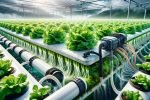 Why your Nutrient Film Technique system might be failing? Fix it now
Consider crop selection carefully. Choose fast-growing, lightweight crops like lettuce or herbs for your NFT system. They require less support and maximize your space and nutrient efficiency. As they grow quickly, they provide faster returns on your investment.
Finally, monitor your system closely. Keeping an eye on nutrient levels, pH, and water flow enables you to make immediate adjustments. This vigilance prevents costly issues and optimizes your gardening efficiency.
Explore the various sections of Hydro for Grow for more tips and strategies. Discover how to maximize your NFT system while keeping your costs down.
Understanding Nutrient Film Technique (NFT)
Nutrient Film Technique (NFT) represents a popular method in hydroponic gardening. This system allows plants to absorb water and nutrients through a thin film of nutrient-rich solution flowing over their roots.
 5 secrets to mastering Nutrient Film Technique for beginners
What is nutrient film technique?
Nutrient Film Technique operates by continuously circulating a shallow film of nutrient solution across the roots of plants. The roots hang suspended in channels, with the upper parts remaining exposed to air. This design fuels efficient nutrient uptake and promotes healthy root growth. Imagine a mini river flowing gently over the plants; this is how NFT ensures that they receive everything they need without drowning them. It’s a simple yet effective setup that makes optimal use of limited space, a must for urban gardening.
Advantages of NFT systems
NFT systems come with numerous benefits that cater to both hobbyists and commercial growers. First, water efficiency stands out; these systems can save up to 90% of water compared to traditional farming. Why? The film of nutrient solution circulates without excess waste. Second, space efficiency shines through as channels can be stacked vertically, perfect for those small gardens or greenhouses. Third, ease of monitoring makes NFT systems user-friendly. You can quickly check on plant health, inspect roots, and make adjustments on the fly.
Assessing Your Current NFT System
Assessing your current NFT system is crucial for successful scaling. Understanding what works and what needs improvement can help you avoid costly mistakes.
Evaluating your setup
Start by examining every component of your NFT system. Look at the flow rate of nutrient solution. A consistent flow ensures that plant roots receive sufficient nutrients. Check your pump capacity; it governs how efficiently the solution circulates. Examine your channels for blockages. Debris can impede flow, reducing water efficiency.
 Amazing benefits of Nutrient Film Technique systems
Next, inspect your lighting setup. Ensure your grow lights provide the right spectrum for plant growth. Look at the distance between the lights and plants. Too far means insufficient light; too close causes heat stress. Also, review your reservoir’s capacity. It should support the nutrient needs of your plants without frequent refills.
Finally, evaluate the overall layout. Is it space-efficient? Can you easily access plants for maintenance? If any layout aspect seems cramped or difficult, it’s a sign that you might need a new arrangement to support growth.
Identifying areas for improvement
Identify specific areas where you can enhance performance. If you notice inconsistent growth among plants, check your nutrient levels. A balanced mix is essential for robust plant development. Regularly monitor your pH levels too. Maintaining the right pH prevents nutrient lockout and ensures plants absorb essential minerals.
Consider your plant selection as well. Fast-growing crops like herbs or leafy greens can maximize space and yield. If you’re using traditional materials, think about repurposing items. PVC pipes can serve as channels without significant cost.
See also: Maintenance: the dark side of Nutrient Film Technique
Besides, explore adjusting your lighting cycles. Implementing a more efficient schedule can save energy while promoting healthy growth. Finally, use data from your experiences. Keep records, measure results, and refine your approach.
For detailed tips on optimizing your NFT system, explore the Hydro for Grow sections. They provide expert guidance tailored for every stage of your hydroponic journey.
Planning Your Scale-Up
Planning a scale-up for your Nutrient Film Technique (NFT) system is essential for sustainable growth. Set clear objectives and align your current setup with your future goals to ensure efficient expansion.
Setting goals for your expansion
Defining goals is the first step in your expansion journey. Choose objectives like increasing yield, diversifying plant types, or optimizing resource efficiency. For example, if you aim to grow more lettuce varieties, identify specific strains that thrive in NFT systems. Transitioning to a larger setup without these guidelines risks inefficiencies and wasted resources. Track your progress regularly, and adjust as necessary. This structured approach allows you to grow smartly, ensuring that your NFT system remains productive and cost-effective.
Budgeting for growth
Creating a budget helps you allocate resources effectively. Start by evaluating expenses from equipment upgrades to additional seeds. Outline a flexible spending plan, including essential components like water pumps, nutrient solutions, and grow lights. For instance, investing in energy-efficient lighting may reduce monthly costs in the long run. Consider coupled or phased expansions to spread costs over time rather than all at once. Keeping your budget in check minimizes financial stress during your scale-up. Explore the Hydro for Grow sections for practical budgeting tips tailored to hydroponic needs, helping you maximize your NFT system without overspending.
Materials Needed for Scaling Up
Scaling up your Nutrient Film Technique (NFT) system requires specific materials to enhance efficiency without exceeding budget limits. Understanding what components are essential and what optional materials can aid in your expansion will help you achieve your gardening goals.
Essential components
When scaling up, prioritize your system’s foundation. Key materials include PVC pipes for channels, as they provide cost-effective solutions for water delivery. Water pumps ensure consistent nutrient flow. Selecting a reliable pump prevents disruptions, keeping your plants happy. Reservoir tanks store nutrient solutions. A larger reservoir accommodates increased plant needs.
For lighting, consider LED grow lights that efficiently deliver energy for healthy plant growth. This choice saves electricity compared to traditional bulbs. You’ll also require nutrient solutions tailored to your plant types, as nutrients are critical for growth. Monitoring pH levels with testing kits ensures optimal conditions. These essential components create a robust NFT system that maximizes yield.
Optional add-ons
To enhance your system further, explore optional materials that boost efficiency. Timers can automate your lighting and nutrient delivery schedules. This automation fosters consistent growth patterns. Net pots hold your plants in place and can improve root development by providing stability. Also, consider aero-misting systems for added moisture and nutrient delivery, especially during seedling stages.
Hydroponic sensors monitor humidity, temperature, and nutrient levels. This data aids in maintaining ideal growing conditions. Trellis systems can support taller plants, maximizing vertical space. Integrating these optional add-ons may increase initial costs but yield greater long-term returns.
Ready to refine your NFT system? Visit the Hydro for Grow sections for in-depth tips on optimizing your system and managing costs effectively.
Tools Required for the Process
Scaling up your Nutrient Film Technique (NFT) system requires specific tools that enhance performance while keeping costs low. Below are the essential categories of tools necessary for the process.
Basic tools
Start with the basics. PVC pipes create the channels where your plants grow. Select pipes of appropriate diameters based on the size of your roots. Water pumps must have sufficient capacity to circulate the nutrient solution efficiently. Choose pumps designed for hydroponic use for additional reliability.
Reservoir tanks store your nutrient solution. Calculate the size based on the number of plants. Next, ensure quality LED grow lights suit your setup. They provide necessary lighting while keeping energy bills in check. Finally, include pH testing kits to monitor nutrient levels. Consistent checks assist in maintaining optimal conditions for plant growth.
Advanced tools
Once the basics are in place, consider adding advanced tools to elevate your NFT system. Timers automate light and pump schedules, making management easier. Use them to create consistent environments for your plants.
Net pots support growing media like clay pellets or rock wool. They help stabilize the plants while roots absorb nutrients. Explore aero-misting systems if your budget allows. These systems deliver moisture directly to the roots, promoting healthier growth.
Hydroponic sensors monitor nutrient levels, water flow, and environmental conditions, providing real-time data. Finally, consider trellis systems for climbing plants. They maximize vertical space and enhance yield.
Carry out these tools effectively to boost your NFT production. For further information, explore the various sections of Hydro for Grow for insights and tips on optimizing your hydroponic garden.
Step-by-Step Guide to Scaling Up
Scaling up your Nutrient Film Technique (NFT) system involves careful planning and execution. This guide walks you through each essential step for an affordable expansion.
Step 1: Designing the expanded layout
Designing an efficient layout serves as the foundation for successful scaling. Start by assessing space. Consider vertical stacking of channels to maximize your area. Sketch the new design on paper or use design software. Allocate adequate space for plant growth and maintenance access. Visualize the flow of nutrient solution as it circulates through your system. Opt for modular designs, allowing adjustments as you learn more about your plants and their needs. Think about grouping plants with similar nutrient requirements, simplifying adjustments.
Step 2: Sourcing affordable materials
Sourcing materials requires resourcefulness. Visit local hardware stores or reclamation yards for items like PVC pipes or food-safe plastics. Online platforms often host community resale groups where you can find surplus supplies for reasonable prices. Joining local gardening forums can connect you with fellow enthusiasts offering materials. Explore options for cost-effective lighting solutions such as used LED fixtures. By repurposing and upcycling materials, you stretch your budget while maintaining quality. Your creativity can lead to substantial savings in your NFT expansion.
Step 3: Constructing additional channels
Constructing new channels enhances your growing capacity. Begin with measuring and cutting PVC pipes according to your design. Secure connections with waterproof adhesive to prevent leaks. Ensure angles promote proper nutrient flow to each channel. Incorporate net pots for stability, offering plants a secure environment. Test for leaks before adding the nutrient solution. Home improvement stores often provide tips for efficient assembly. Use clear, methodical steps during construction to streamline the process.
Step 4: Integrating new components
Integrating new components elevates your system’s performance. Install quality pumps that offer reliable nutrient circulation and adjust your lighting setup based on plant needs. Consider timers for consistent light cycles, aligning with natural sunlight patterns. Carry out hydroponic sensors for real-time data on pH levels and nutrient concentration. These devices notify you of any adjustments needed, promoting healthier growth. Engage with the Hydro for Grow sections for further information. Maximizing automation simplifies monitoring, allowing more time for other gardening tasks.
Explore our website for detailed guides and expert advice on optimizing your NFT system for better yields.
Tips for Cost-Effective Scaling
Scaling up your Nutrient Film Technique (NFT) system doesn’t need to deplete your budget. These practical tips help you make informed decisions while maximizing your hydroponic setup.
Reusing existing materials
Reusing existing materials is straightforward and sustainable. Look at your current setup. PVC pipes from your old projects can become channels for new plants. Food-safe containers once used for storage can serve as reservoirs. By repurposing these materials, you save money and reduce waste.
Consider an example: if you already have light fixtures, check if you can adapt them for additional plants. It’s not just smart; it’s also environmentally friendly. Every bit of ingenuity counts, so inspect your surroundings for items that can enhance your NFT system and cut costs.
Buying in bulk
Buying in bulk leads to significant savings. Suppliers often provide discounts for larger orders. If you regularly use specific nutrients or components, purchasing them in greater quantities reduces the cost per unit.
Think about it: if five friends chip in together to buy supplies, the savings become more substantial. Together, you secure larger discounts, minimizing individual expenses while maximizing what you have. This method works well not only for nutrients but also for essentials like net pots and grow media.
Exploring second-hand options
Exploring second-hand options can reveal hidden gems. Websites and local farmer markets frequently offer used equipment at a fraction of the price. Many sellers want to upgrade or no longer need their hydroponic gear.
For instance, check classified ads or dedicated online platforms for hydroponic tools. You might find pumps, lights, or even entire NFT systems looking for a new home. Inspect these items carefully to ensure they’re in good condition, and never overlook the potential savings.
For more in-depth tips on expanding your NFT system without overspending, explore the various sections of Hydro for Grow.
Common Issues and Troubleshooting
Understanding common issues in your Nutrient Film Technique (NFT) system ensures continual success. Addressing these challenges promptly can help you maintain optimal conditions for plant growth without overspending.
Addressing nutrient imbalances
Nutrient imbalances often lead to poor plant health. Signs like yellowing leaves or stunted growth indicate a potential deficiency or excess of essential nutrients. Regular testing of your nutrient solution provides clarity. Aim for balanced nutrient levels—check nitrogen, phosphorus, and potassium concentrations routinely. For example, a nitrogen deficiency typically results in lighter green leaves, while excess nitrogen can cause excessive, weak growth.
Replenish nutrients as needed. Consider using a nutrient calculator from Hydro for Grow to maintain correct ratios. By adjusting your solution based on plant needs, you’ll increase yield without incurring unnecessary costs.
Managing water flow problems
Water flow plays a vital role in NFT systems. Blockages or insufficient flow can hinder nutrient delivery, jeopardizing plant health. Ensure your pump functions correctly by checking the flow rate regularly. Inspect for clogs caused by algae or debris, especially in older systems.
Example: if you’ve noticed plants wilting, verify the delivery channel is free from blockages. Also, evaluate the pump size—it should match your system needs. Making adjustments, such as upgrading the pump or cleaning the lines, minimizes issues and maximizes efficiency.
Ensuring proper light distribution
Light distribution directly affects photosynthesis and growth rate. Inconsistent lighting can lead to uneven growth across your plants. Positioning your lights at the correct height and ensuring they cover all areas of your system is crucial. Avoid allowing shadows to form in any section, as this can stunt growth.
Consider using reflective materials around your setup to enhance light efficiency. For instance, using Mylar can improve light distribution significantly, making a noticeable difference in growth. Regularly assess your light setup since small adjustments can yield big results in overall plant health.
Explore more information on troubleshooting and optimizing your NFT system at Hydro for Grow to get the most out of your hydroponic journey.
Scaling up your Nutrient Film Technique system can be a rewarding journey that doesn’t have to drain your wallet. By focusing on optimizing your current setup and making incremental improvements, you can enhance your yields without overspending. Repurposing materials and selecting fast-growing crops can further stretch your budget while maximizing efficiency.
Regular monitoring and maintenance are essential to keep your system running smoothly. With careful planning and resourcefulness, you’re well on your way to transforming your hydroponic garden into a thriving venture. Embrace the process and enjoy the fruits of your labor as you cultivate a sustainable and profitable gardening experience.