
Overview of NFT and Deep Water Culture
The intersection of digital assets and hydroponic farming brings innovative ideas to life. Understanding both NFTs and Deep Water Culture (DWC) helps you appreciate their unique contributions.
What is NFT?
NFT stands for Non-Fungible Token. These are unique digital assets stored on a blockchain, representing ownership of various items, from art to music. Unlike cryptocurrencies, which are interchangeable, NFTs are one-of-a-kind. Think of them as digital certificates of authenticity. You can buy, sell, or trade them, and the ownership history is easily traceable on the blockchain.
NFTs revolutionize how you consider ownership. For instance, owning an NFT artwork means you possess a digital collectible that cannot be copied or replicated. Many artists and musicians are now using NFTs to monetize their work, creating a new revenue stream. This shift impacts not only creators but also collectors, allowing them to invest in unique pieces of digital art.
What is Deep Water Culture?
Deep Water Culture (DWC) is a hydroponic method where plants grow directly in nutrient-rich, oxygenated water. This system suspends plant roots in a solution, ensuring constant access to essential nutrients and oxygen. Imagine a serene pond where plants thrive without soil.
See also: The best crops for NFT systems and what to avoid for success
In a typical DWC setup, plants sit in net pots above a reservoir filled with nutrient solution. An air pump continuously aerates the water, creating a vibrant environment for plant growth. This technique allows for faster plant growth and higher yields compared to traditional gardening, as plants use nutrients more efficiently.
DWC is ideal for growing leafy greens like lettuce and herbs, but it can also support fruiting plants, like tomatoes and peppers, with proper space and support. If you’re looking to jump into hydroponics, consider exploring DWC. It’s simple, efficient, and perfect for urban gardening.
Explore more about hydroponics and innovative farming techniques at Hydro4Grow for expert advice and the latest information.
Key Differences Between NFT and Deep Water Culture
Understanding the differences between NFT (Nutrient Film Technique) and Deep Water Culture (DWC) helps you choose the right hydroponic method for your needs. Both offer unique benefits but operate on distinct principles.
 Nutrient film technique: is it worth the hype for growers?
Growth technique
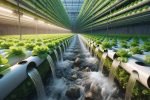
NFT involves a thin film of nutrient-rich water flowing over plant roots. Imagine a gentle stream that’s constantly providing nourishment without drowning the roots. Meanwhile, in DWC, plants hang suspended in a nutrient-rich solution that’s oxygenated. This approach allows roots to sit in water, soaking up nutrients like a sponge. With NFT, roots stay relatively dry, while DWC means they’re always wet. Each method suits different growth expectations and plant types, so your choice will shape success.
Nutrient delivery
Nutrient delivery differs significantly between NFT and DWC. In NFT systems, nutrients travel in a shallow film along a sloped channel. This setup means that roots get nutrients at regular intervals, but if there’s a pump failure, plants can risk nutrient deprivation. On the other hand, DWC provides nutrients directly via a stable water reservoir, ensuring continuous access. This reliability makes DWC a safer option, especially for beginners. It’s like having a buffet of nutrients available at all times, versus a scheduled meal.
Plant health and yield
Plant health and yield depend on the chosen system. With NFT, proper balance of flow and oxygen enhances plant growth, but nutrient delivery issues can lead to stress. DWC’s constant nutrient solution ensures robust plant health, which can lead to higher yields. Many gardeners using DWC report faster growth rates compared to traditional soil methods. Plants flourish in the oxygen-rich environment, thriving as they absorb nutrients easily. Think of it as a well-tended garden, where each plant receives ample care.
For more insights on hydroponic techniques, explore different sections of Hydro4Grow’s website.
 How to avoid common NFT disasters in your hydroponic setup now
Advantages and Disadvantages
Understanding the pros and cons of NFT and Deep Water Culture (DWC) can help you make informed decisions in your hydroponic gardening or digital asset investments.
Pros of NFT
NFTs bring unique characteristics that appeal to artists and collectors alike. They provide digital ownership, making it simple for you to claim exclusive rights to artwork, music, or collectibles. This feature generates new revenue streams for creators. Plus, 🌐 being stored on a blockchain ensures authenticity and security.
NFTs offer the possibility of fractional ownership, allowing multiple people to invest in high-value assets together. This can make art investment more accessible. Also, the NFTs’ market operates 24/7, providing flexibility in buying and selling.
New platforms continually emerge, expanding your options and opportunities. As interest in digital assets grows, so does their potential value, making them an engaging area to explore.
See also: Nutrient Film Technique troubleshooting tips for healthy plants
Cons of NFT
The NFT market isn’t without risks. Price volatility means values can fluctuate dramatically, which might cause concern for investors. Also, environmental concerns arise from the energy-intensive blockchain processes.
You may also face skepticism from traditionalists who doubt the long-term value of digital assets compared to physical artworks. Besides, without proper digital security measures, NFT ownership can be compromised, leading to potential losses.
Exploring the NFT space requires knowledge and caution. It’s essential to stay informed and recognize these challenges.
Pros of Deep Water Culture
DWC systems shine for their simplicity and efficiency. By suspending plant roots in a nutrient-rich, oxygenated solution, you promote rapid growth. This setup allows for consistent access to nutrients and oxygen, driving healthier plants and higher yields.
DWC requires less maintenance than other hydroponic methods. Once established, it often troubleshoots itself. Plus, the system is space-efficient, making it ideal for urban gardening.
Year-round production means you can grow fresh produce regardless of external weather. This benefit ensures you remain productive even in harsh climates, making it a reliable choice for growers.
Cons of Deep Water Culture
But, DWC has its downsides. A power failure can impact oxygenation levels, risking plant health. You may also need to monitor water temperature closely, as extreme conditions can harm roots.
Learning to balance nutrients correctly is crucial. An incorrect mix can lead to plant stress. Also, the initial setup cost might deter some growers.
Being aware of these challenges will equip you to handle any issues effectively.
Best Use Cases for Each Method
Choosing between Nutrient Film Technique (NFT) and Deep Water Culture (DWC) depends on your specific needs and growing conditions. Each method has its strengths, ideal for different types of plants and growing environments.
When to choose NFT
NFT shines in environments where space is limited. For small-scale operations or urban gardening, this method proves beneficial. It requires less water and nutrients, making it eco-friendly. If you’re looking to grow plants like herbs and leafy greens, NFT can be a great choice. Its fast nutrient uptake accelerates growth rates significantly.
But, monitoring is crucial. You must ensure the nutrient film stays consistent. If there’s a pump failure, roots can dry out quickly. You’ll want to be present or automate systems for reliability. Still, when done right, NFT offers rapid harvests and efficient use of resources, making it a favorite for many growers.
When to choose Deep Water Culture
DWC is perfect for those seeking a reliable and straightforward hydroponic method. With its submerged roots in a nutrient-rich, oxygenated solution, your plants benefit from constant access to essential nutrients. DWC works exceptionally well for growing larger, fruiting plants such as tomatoes and peppers. It supports significant growth rates and reduces maintenance hassles.
If you prioritize simplicity, DWC systems are easy to set up and manage. Plus, the resilience to fluctuations in climate makes it an excellent choice for year-round production. Just keep an eye on oxygen levels and nutrient concentrations. DWC allows for healthy yields with substantial rewards.
Conclusion
Both NFTs and Deep Water Culture represent exciting advancements in their respective fields. As you navigate the world of digital assets or innovative farming techniques, consider how each offers unique opportunities and challenges. Embracing these technologies can enhance your understanding of ownership and sustainability. Whether you’re an artist exploring NFTs or a gardener experimenting with DWC, the potential for growth and creativity is immense. Engaging with these methods can open new avenues for investment and cultivation, allowing you to be part of a transformative movement in art and agriculture.