
Understanding Hydroponic Lettuce Flavor
Hydroponic lettuce can be a delightful addition to your meals, but it often lacks the vibrant flavors you expect. Let’s jump into the essential elements that shape its taste.
Common flavor profiles
Hydroponic lettuce varieties showcase different flavor profiles. For example, romaine tends to be crisp and slightly sweet, while butterhead is known for its rich, buttery texture. You might notice that some are milder, making them great for salads, while others bring a bolder taste that enhances sandwiches. To harness these flavors, choose your lettuce wisely based on your preferences and how you plan to use them. Curious about experimenting with unique flavors? Try blending different varieties in your hydroponic setup.
Factors influencing flavor
Several factors play crucial roles in developing tasty hydroponic lettuce. First, nutrient balance matters. Excess nitrogen can lead to leafy greens with little taste. Instead, find that sweet spot with a balanced nutrient solution.
Light conditions also impact flavor. Insufficient light often results in bland greens. Aim for bright, indirect light or full spectrum LED grow lights, mimicking natural conditions.
See also: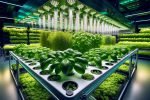 The secret sauce: perfecting your hydroponic nutrient mix secrets
Finally, water quality shouldn’t be overlooked. pH levels between 5.5 and 6.5 are ideal for optimal nutrient uptake. Test your water regularly to ensure your plants receive what they need. Explore these factors a little deeper to elevate your hydroponic lettuce experience!
Nutritional Deficiencies
Nutritional deficiencies in hydroponic lettuce can lead to bland flavors that disappoint your taste buds. Understanding the essential nutrients for growth is key to a delicious harvest. Let’s immerse!
Essential nutrients for flavor
Nitrogen, phosphorus, and potassium play significant roles in plant health and flavor. Nitrogen supports leafy growth, but too much can cause a watery taste. Phosphorus enhances root development and flavor intensity. Potassium contributes to overall plant health and sweetness.
Calcium aids in cell wall structure, promoting crispness and texture. Iron is crucial for chlorophyll production, which gives lettuce its vibrant green color. Magnesium supports photosynthesis, letting your lettuce absorb sunlight more effectively. Balancing these nutrients can transform bland greens into tasty delights.
 Unlock the power of pH for better hydroponics growth
Signs of deficiency in hydroponic lettuce
Spotting nutrient deficiencies in your lettuce isn’t always easy, but a few telltale signs can help. Yellowing leaves can indicate nitrogen deficiency, while weak or stunted growth may signal phosphorus issues. If you notice leaf margins turning brown, potassium levels might be low.
Pale green leaves suggest a lack of iron, and crispy edges could hint at calcium deficiency. If your lettuce lacks taste, it could be suffering from a nutrient imbalance. Regularly check your nutrient solutions and adjust as needed to ensure your hydroponic system thrives.
Environmental Factors
Environmental factors play a significant role in the flavor profile of your hydroponic lettuce. Understanding these elements helps you unlock the potential of your lettuce, leading to a crisp and flavorful harvest.
Light conditions
Light conditions are vital for plant photosynthesis and flavor development. Different types of lettuce thrive under varying light intensities. For example, romaine loves bright light, while butterhead prefers a bit of shade. Aim for 12 to 16 hours of light daily, using full-spectrum LED lights to mimic sunlight effectively. If your lights are too dim, lettuce can become leggy and tasteless. Alternatively, if they’re too intense, it may lead to stress, producing bland flavors. Experiment with light duration and intensity, adjusting as needed, and your lettuce will thank you with rich flavors!
 From meh to amazing: boost hydroponic flavors with nutrients
Temperature and humidity levels
Temperature and humidity can dramatically impact the taste of lettuce. Most varieties favor temperatures between 65°F to 75°F. Higher temperatures can stress the plants, making them produce less flavor and more bitterness. Humidity levels also matter—ideally, keep humidity between 50% and 70%. High humidity may lead to mold, while low humidity can cause wilting. Use fans and thermostats to maintain the ideal environment in your hydroponic setup. You’ll soon notice a juicy, vibrant difference in your lettuce!
Hydroponic Systems and Their Impact
Hydroponic systems greatly influence the taste of your lettuce. Understanding these systems helps you unlock flavor potential.
System types and flavor outcome
Different hydroponic systems yield various flavor profiles in lettuce. The Nutrient Film Technique (NFT) allows for efficient nutrient absorption, often leading to vibrant flavors. Deep Water Culture (DWC) gives roots direct access to nutrients, promoting healthy growth and enhancing taste. Ebb and Flow systems drain and flood, helping the roots breathe, which can elevate flavor quality. Each system offers unique benefits. Testing out a few could lead to discovering which one brings out the best in your leafy greens.
Recommended Solutions
Boosting the flavor of your hydroponic lettuce is a journey worth taking. You can achieve tasty greens by making some adjustments in your growing setup. Here’s how!
See also: The shocking truth about store-bought hydroponic nutrients revealed
Adjusting nutrient solutions
Balancing your nutrient solution is key. Too much nitrogen often leads to bland flavors. You want a nutrient mix that includes phosphorus and potassium, too. This blend enhances the taste. For example, consider using a solution that has a nitrogen-to-potassium ratio of 2:1.
Check your nutrient levels regularly. Use a handheld meter to ensure you’re in the sweet spot. This simple tool helps you see what’s in your water. You can also adjust based on the leaves’ appearance. Yellowing leaves signal a problem, and a quick tweak can restore your plants’ health and flavor.
Don’t forget to flush your system occasionally. This clears out any buildup of salts, which can also affect taste. Think of it as giving your plants a refreshing drink, ensuring they absorb nutrients effectively. When you get this right, your lettuce will thank you with vibrant flavor.
Optimizing growing conditions
Light plays a massive role in your lettuce’s taste. If you’re growing indoors, make sure your plants receive adequate light. Hydroponic systems need full-spectrum LED lights to mimic natural sunlight. Aim for about 12 to 16 hours of light daily. This timing helps your lettuce photosynthesize efficiently, leading to better flavor.
Temperature and humidity matter, too. Keep your greenhouse or growth area between 60°F to 70°F (15°C to 21°C). High humidity can create stress, causing bitter flavors. Monitor conditions regularly. Add fans or dehumidifiers if you’re struggling with excess moisture.
Don’t let bland hydroponic lettuce ruin your gardening dreams! By making a few adjustments to your growing conditions and nutrient balance you can unlock a burst of flavor that’ll make your salads sing.
Experiment with different lettuce varieties and hydroponic systems to find what works best for you. Keep an eye on your nutrient levels and ensure you’re providing the right light and environmental conditions.
With a little attention and care you’ll be on your way to enjoying deliciously flavorful lettuce that’ll elevate your meals. Happy growing!